
Fresenius Instruments × UN Sustainable Development Goals
Making sustainability measurable
Gas measurement is the foundation of any effective sustainability strategy: only what is precisely captured can be responsibly managed. Here we show how our gas analysis devices and solutions support the United Nations Sustainable Development Goals (SDGs) — from emissions monitoring to biogas and process analytics, clean air and renewable energies.
Measurable. Responsible. Together.
The 17 United Nations Sustainable Development Goals frame our responsibility as a manufacturer of process analytics and process measurement technology. For the goals where our products make a direct contribution — from climate action to clean energy and healthy air — we show how below. For the remaining goals we affirm our broader responsibility as an employer, supplier and partner.

SDG 13 — Climate Action
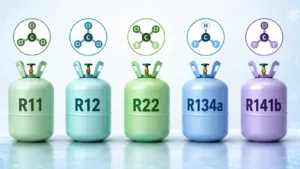
What isn't measured can't be reduced. Our CEMS and emissions monitoring systems capture climate-relevant gases continuously: CO₂, CH₄ and NO built on the GA210/GA220 analyzers, the highly climate-active nitrous oxide (N₂O) with the GA320, and highly climate-damaging fluorinated greenhouse gases such as CFCs/HFCs (halocarbons). They provide the data basis operators need to record, report and actively cut their emissions — from industrial plants to biogas facilities.

SDG 7 — Affordable and Clean Energy
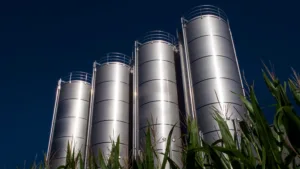
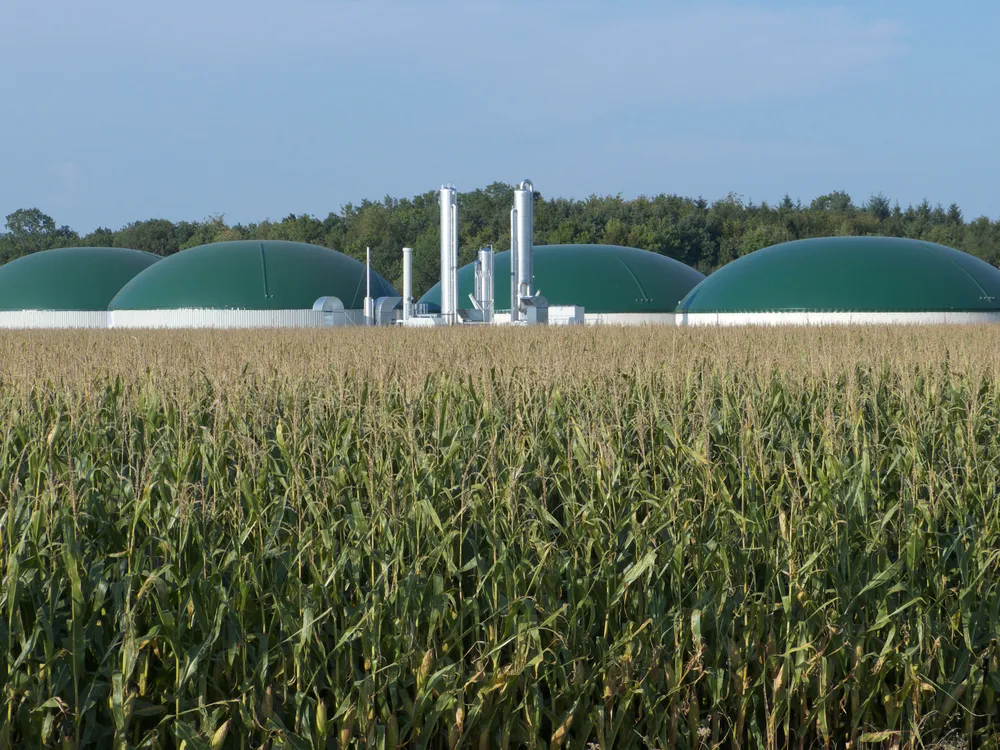
Renewable gases need precise analytics. We measure the quality of both the raw biogas and the upgraded product gas (biomethane) — from CH₄, CO₂ and H₂S to further trace gases — ensuring stable processes, higher yields and grid-compliant gas quality. We additionally monitor solvents in battery production, supporting a key technology of the energy transition.
SDG 6 — Clean Water and Sanitation
Wastewater and sewage plants produce digester gas — a valuable energy source that can also contain toxic components. Our analyzers monitor not only CH₄ and H₂S but further biogas components such as CO₂, NH₃ and siloxanes, while tying the plants into emissions monitoring at the same time. This protects staff, equipment and the environment and makes digester gas safe to use — so we protect nature in all its richness.

SDG 3 — Good Health and Well-Being
Clean air at the workplace is a basic right of our employees and customers. We measure formaldehyde and other volatile organic compounds (VOCs) as well as a wide range of toxic gases. This data helps companies comply with limits, detect exposure early and safeguard healthy working and production environments.

SDG 11 — Sustainable Cities and Communities
Clean air in urban areas starts with controlled emissions. Our CEMS and ambient-air technology monitors exhaust streams from industry, power plants and municipal facilities, providing robust data for clean-air plans and regulatory reporting. Gas measurement thus supports livable cities and healthy living environments.

SDG 12 — Responsible Consumption and Production
Resource efficiency starts in the process. Continuous gas analysis in production helps run processes more stably, avoid rejects and save energy and raw materials. Combined with long-lasting equipment — our analyzers are designed for a long service life and years of spare-parts supply — we reduce resource consumption and waste.

SDG 9 — Industry, Innovation and Infrastructure
Digital, precise processes are the core of modern industry. Our process analytics and the Cloud Connect Kit make gas analysis data available in real time — for remotely monitored plants, automated diagnostics and data-driven process optimization. We combine proven measurement technology with digital innovation.
SDG 17 — Partnerships for the Goals
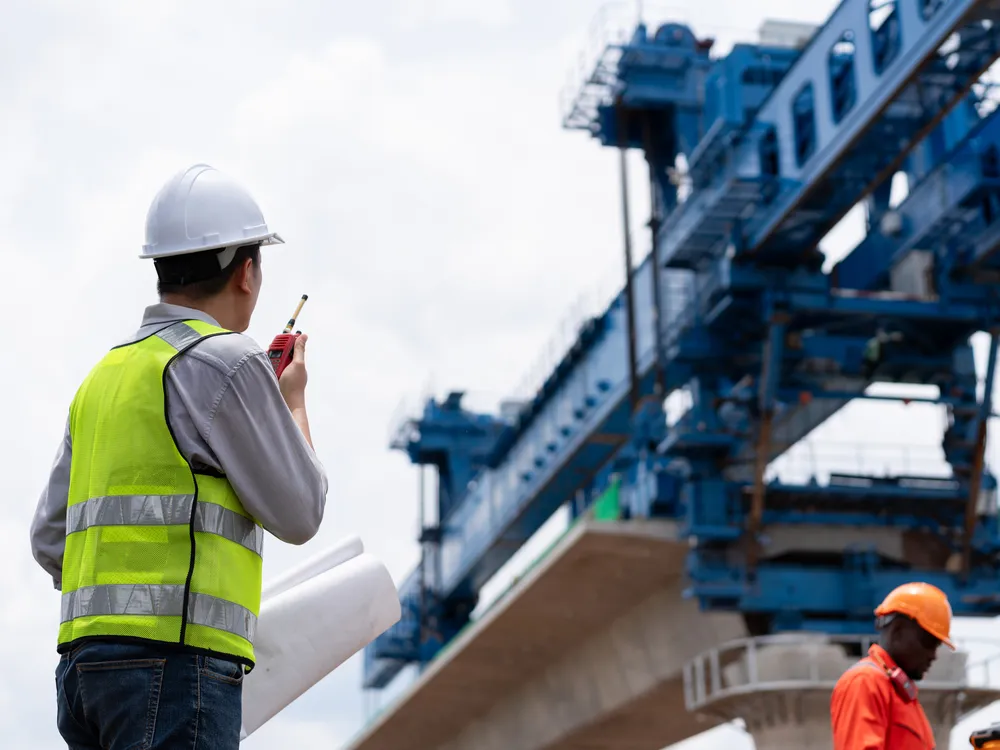
Sustainability only succeeds together. Through our global partner program we build a network of qualified sales and service partners who distribute and support our analyzers with local expertise. Together we bring measurement technology to where it cuts emissions and makes processes more sustainable.

SDG 4 — Quality Education
Expertise only grows when it is deliberately fostered. We invest in the training and development of our employees, finance professional qualifications and continuously expand professional, methodological and social skills — because personal growth is the foundation of our mutual success.

SDG 5 — Gender Equality
Diversity is lived practice for us: by signing the Diversity Charter we commit to a corporate culture defined by mutual recognition and participation. The fact that women were already admitted to the training program in 1862, in the history of the Chemisches Laboratorium Fresenius, is an early testimony to this ethos — and to this day we actively advance gender equality and equal opportunity.

SDG 8 — Decent Work and Economic Growth
Safe, fair and appreciative working conditions are the basis for economic success. As an employer with local and international suppliers, we are committed to the sustainable development of our region and of culturally diverse economic centers worldwide — carried by a culture of recognition and participation.

SDG 10 — Reduced Inequalities
Participation must not depend on background. With the Diversity Charter and an active culture of advancement we make room for different perspectives, life paths and talents — internally and across our international partner network. In this way we reduce inequalities and strengthen equal opportunity.

SDG 2 — Zero Hunger
Hunger often starts on our own doorstep. We support the food bank in our region with regular donations so it can buy exactly what it needs — a concrete contribution against hunger and for people in difficult situations.

Beyond that: our broader responsibility
Not every sustainability goal can be reflected directly through a product. We nevertheless affirm these goals — as an employer, as a manufacturer with local and international suppliers, and as a partner in global networks.

Frequently asked questions about sustainability at Fresenius Instruments
Which climate-relevant gases does Fresenius Instruments measure?
Our gas analysis devices capture a broad spectrum of climate-relevant gases: CO₂, CH₄ and NO built on the GA210/GA220 analyzers, nitrous oxide (N₂O) with the GA320, and fluorinated greenhouse gases such as CFCs/HFCs — continuously. In total we measure over 120 further substances.
How does Fresenius Instruments contribute to sustainability?
Gas measurement is the foundation of any effective sustainability strategy: only what is precisely captured can be responsibly managed and reduced. Our gas analysis devices and solutions provide this data basis — for fewer emissions, more efficient processes and renewable gases. Beyond our products, we take social responsibility as an employer through the Diversity Charter and targeted employee development.
How does gas measurement support the Sustainable Development Goals (SDGs)?
By providing reliable measurement data to record, report and cut emissions, make industrial processes more efficient and use renewable gases such as biogas safely — from emissions and process analytics to wastewater and biogas plants and battery production.
What role does sustainability play as an employer?
With the Diversity Charter, targeted training and development, and safe, fair working conditions, we take social responsibility that goes beyond our products.
Reducing emissions together
Want to capture your emissions, make processes more efficient or deploy our analyzers? Talk to us — or meet our partners for your region.