

Gas Analyzers for Process and Emission
Discover our comprehensive range of gas analyzers: From NDIR to TDLAS, paramagnetic and electrochemical sensors – developed and manufactured in Germany.
Gas Analyzers: Methods and Selection
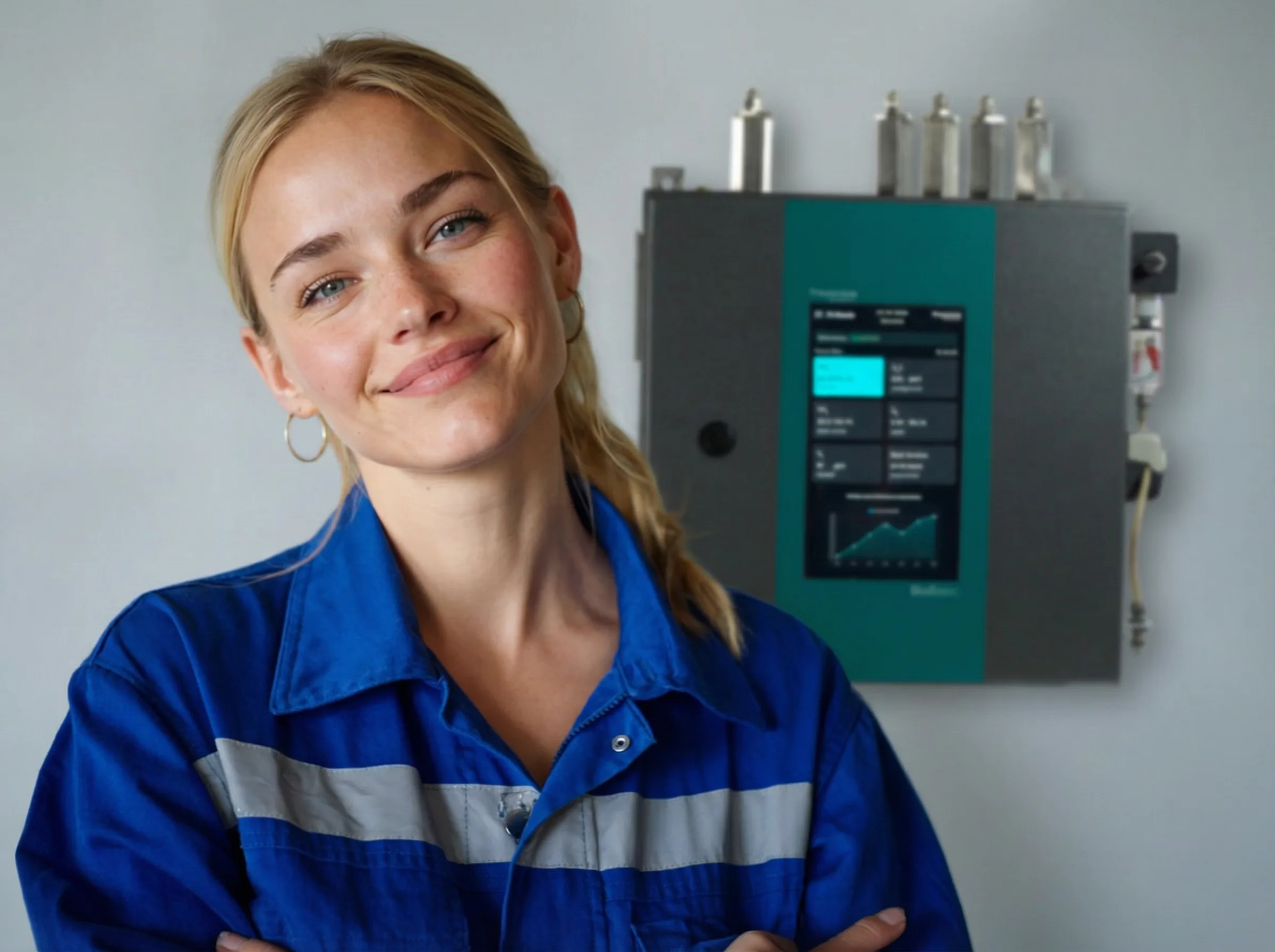
A gas analyser determines which gases a gas mixture contains and at what concentration. Unlike a gas warning device, which only raises an alarm when a limit is exceeded, a gas analyser delivers continuous quantitative readings – in percent by volume, ppm or mg/m³. It is a measuring instrument, not a safety detector.
In industrial use the device sits at the end of a measuring chain: a probe extracts the sample gas, sample gas conditioning dries and filters it, and only then does it reach the analyser. Which measurement principle works there depends on the gas – NDIR for infrared-active components such as CO, CO₂, CH₄ or SO₂, paramagnetic measurement and zirconium oxide sensors for oxygen, TDLAS as a laser method for methane, thermal conductivity detection for binary mixtures and electrochemical cells for components such as H₂S.
Fresenius Instruments offers one of the most comprehensive ranges of gas analyzers on the European market. At its core is the GA220 – our multi-gas flagship that analyzes up to 8 sample gas inlets, combining NDIR, paramagnetic, electrochemical and ZrO₂ sensors in a compact 19-inch rack housing. For single-gas measurements, the GA210 variants are available: the GA210 O₂ with paramagnetic or zirconium oxide sensor delivers highly precise oxygen readings for combustion control and emission monitoring.
Our portfolio also includes the GA150 as a solvent specialist with heated cuvette, the GA100 Portable for battery-powered mobile measurements on site, and the TINA InSitu analyzer that measures directly in the process stream – without gas conditioning, with response times under 10 seconds, tested to DIN EN 60079-29-1. For gases that do not absorb in the infrared – such as hydrogen, helium or ammonia – the FTC300 uses the thermal conductivity principle (TCD).
All Fresenius Instruments gas analyzers are developed and manufactured in Germany. Premium components from German suppliers ensure a device lifespan of over 30 years with 10+ years spare parts guarantee. The patented automatic zero-point correction without test gas saves you ongoing operating costs and significantly reduces maintenance effort – a decisive advantage over modular systems from other manufacturers.
With over 175 years of experience in analytical measurement technology, worldwide on-site service and the Cloud Connect Kit for real-time remote monitoring of your installations, Fresenius Instruments offers not just gas analyzers but a holistic measurement solution for emission monitoring, biogas plants, process control and environmental measurement technology.
The measurement principles in detail
NDIR – non-dispersive infrared measurement. By far the most widely used method in process and emission measurement. Infrared-active gases absorb light at a wavelength characteristic of them; the attenuation of the beam gives the concentration. This covers CO, CO₂, CH₄, SO₂, NO and many hydrocarbons. NDIR is robust, stable over the long term and low on calibration – in our analysers additionally through a patented zero-point correction without test gas.
Paramagnetic oxygen measurement. Oxygen is attracted in a magnetic field, almost all other process gases are not – which makes the method highly selective for O₂ and free of consumables. Our measuring cell works without moving parts and is therefore insensitive to vibration, qualifying it for installation close to the plant.
Zirconium oxide sensors (ZrO₂). The second design for oxygen, made for hot gases. A heated ceramic cell generates a voltage between sample gas and reference air that depends on the oxygen content. Typical for combustion control and firing optimisation, where measurement happens directly in the hot flue gas.
TDLAS – tunable diode laser spectroscopy. A laser is tuned precisely to a single absorption line of the target gas. Because that line is so narrow, accompanying gases barely interfere – the method is highly selective and fast. We use TDLAS for methane, for instance in biomethane feed-in monitoring.
Thermal conductivity detection (TCD). Gases conduct heat differently. In a binary mixture whose two components are known, the mixing ratio follows directly – hydrogen in nitrogen, for example. A simple, very robust principle without optical components.
Electrochemical sensors. The target gas reacts at an electrode and generates a current proportional to concentration. Useful where optical methods reach their limits, for instance with H₂S. Electrochemical cells are wear parts and are replaced at fixed intervals – that belongs in the cost calculation.
No single method covers everything. That is why the GA220 combines several principles in one 19" housing and takes up to eight sample gas inlets, while the GA210 is a single-gas analyser designed for one component. We do not offer gas chromatography or FTIR – where those methods are required, we will tell you so openly.
From Process to Analysis – How Gas Measurement Works
Our Products
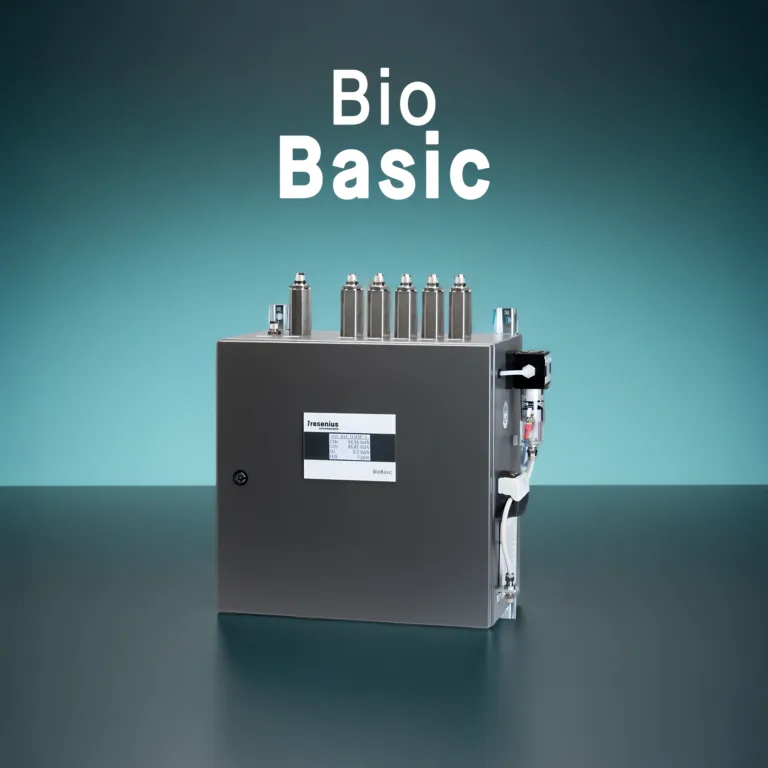 Biogas
 BioBasic
Plug-and-play biogas analyzer for CH₄, CO₂, H₂S, O₂ and H₂
Learn more →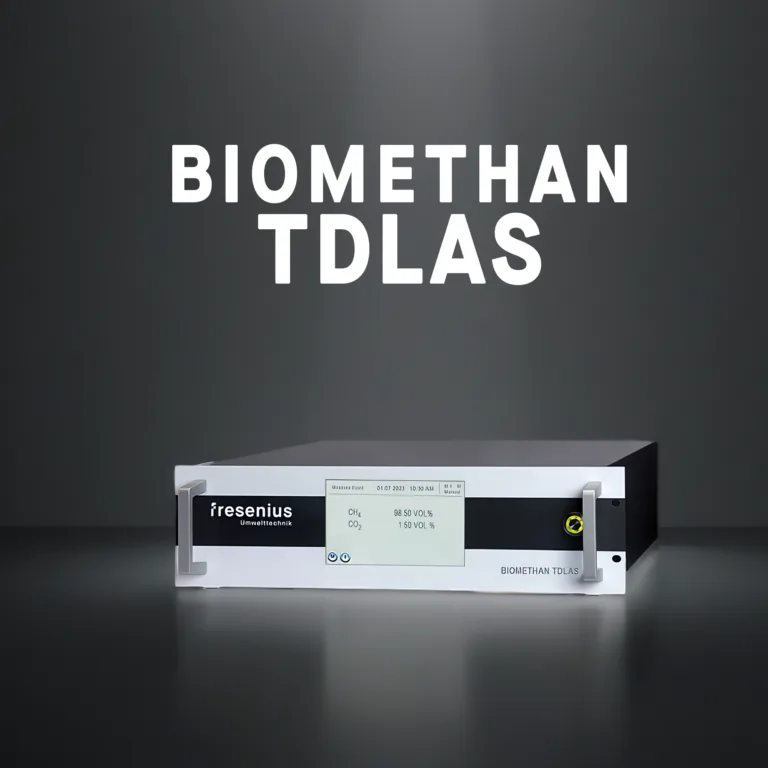 TDLAS
TDLAS Biomethane TDLAS
TDLAS laser analyzer for high-precision biomethane quality control
Learn more →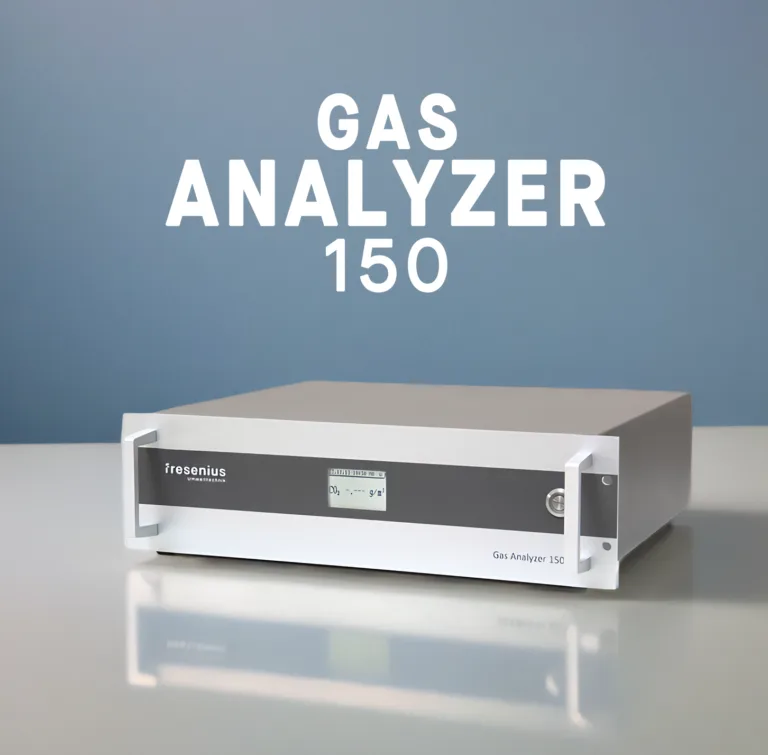 Solvents
 Gas Analyzer 150
Precise NDIR measurement of hazardous solvents in industrial environments
Learn more →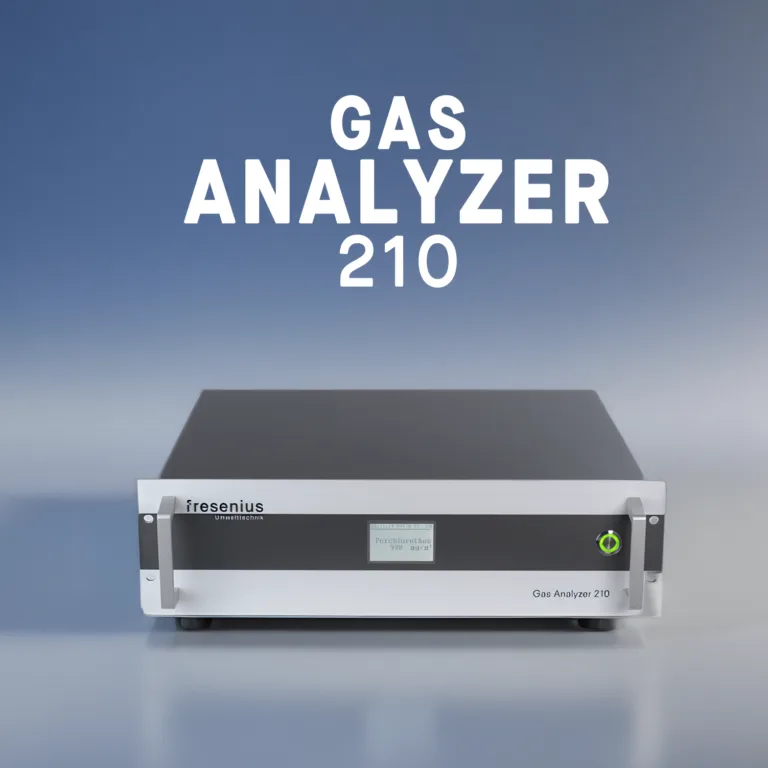 Flexible
 Gas Analyzer 210
Flexible gas analyzer with NDIR, EC and ZrO₂ sensors
Learn more →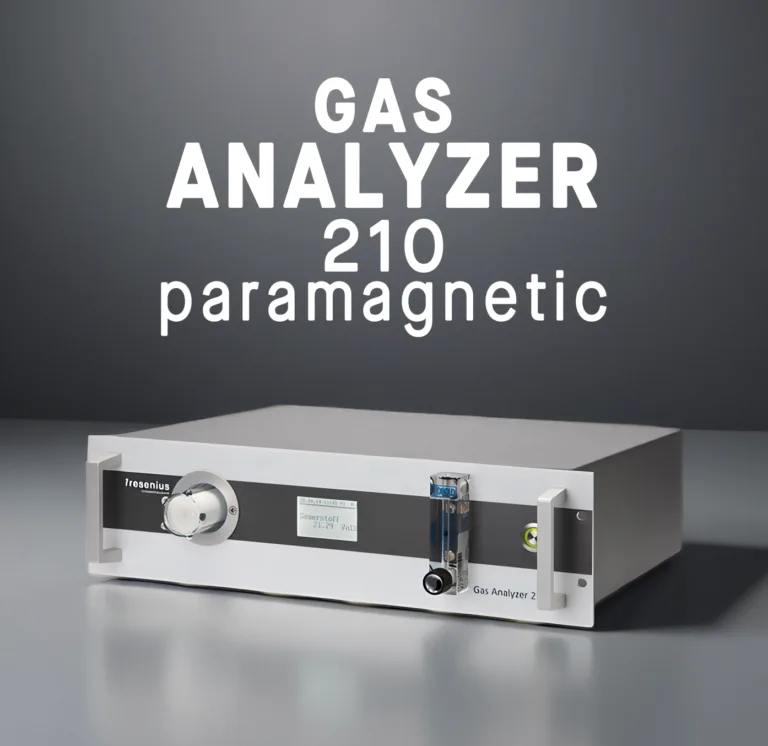 O₂
O₂ Gas Analyzer 210 O2 paramagnetic
Paramagnetic O₂ analyzer for precise oxygen measurements
Learn more →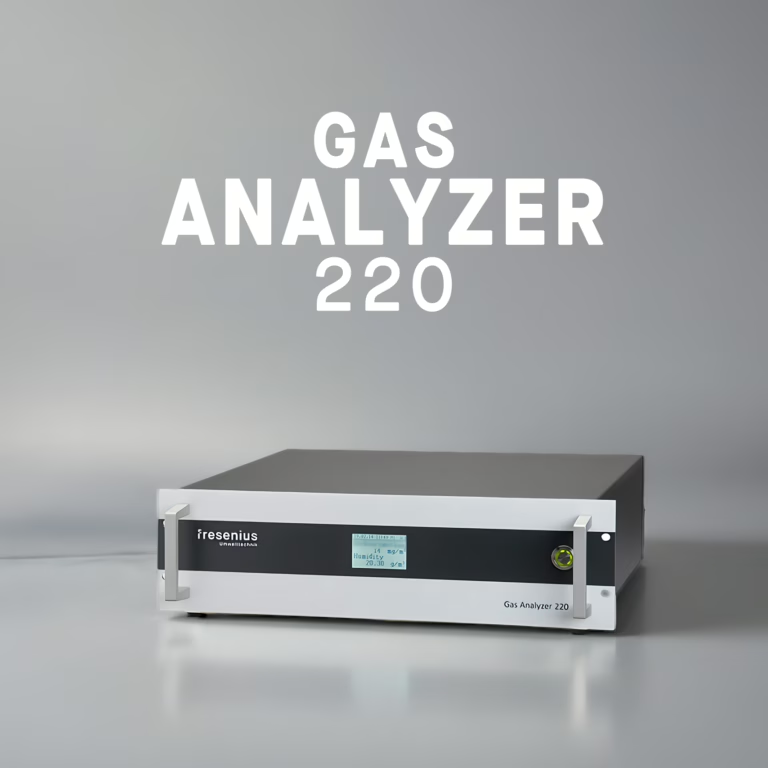 Versatile
 Gas Analyzer 220
Versatile gas analyzer for emission and process monitoring
Learn more →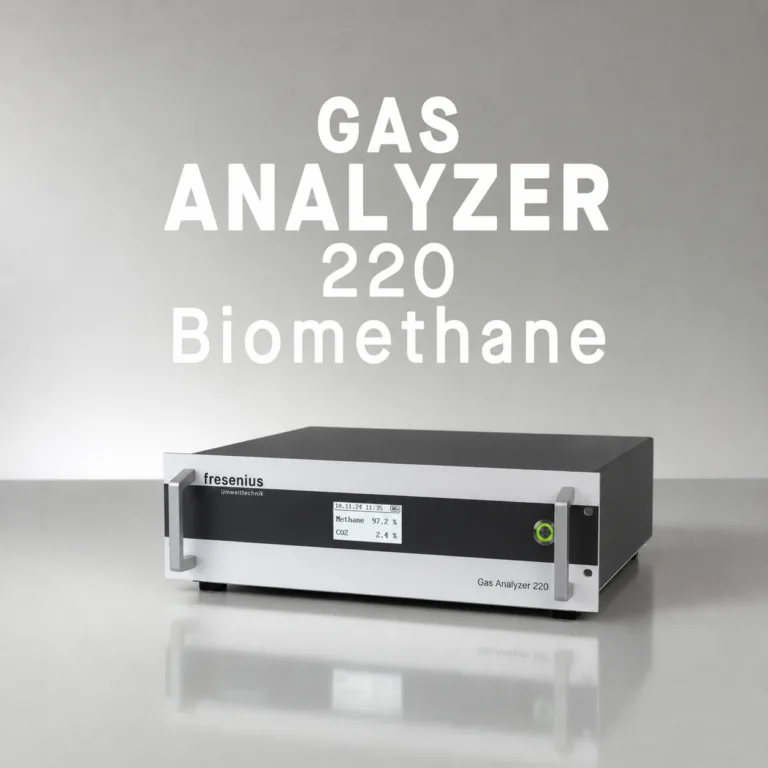 Biomethane
 Gas Analyzer 220 - Biomethane
Optimized for biomethane feed-in monitoring in biogas plants
Learn more →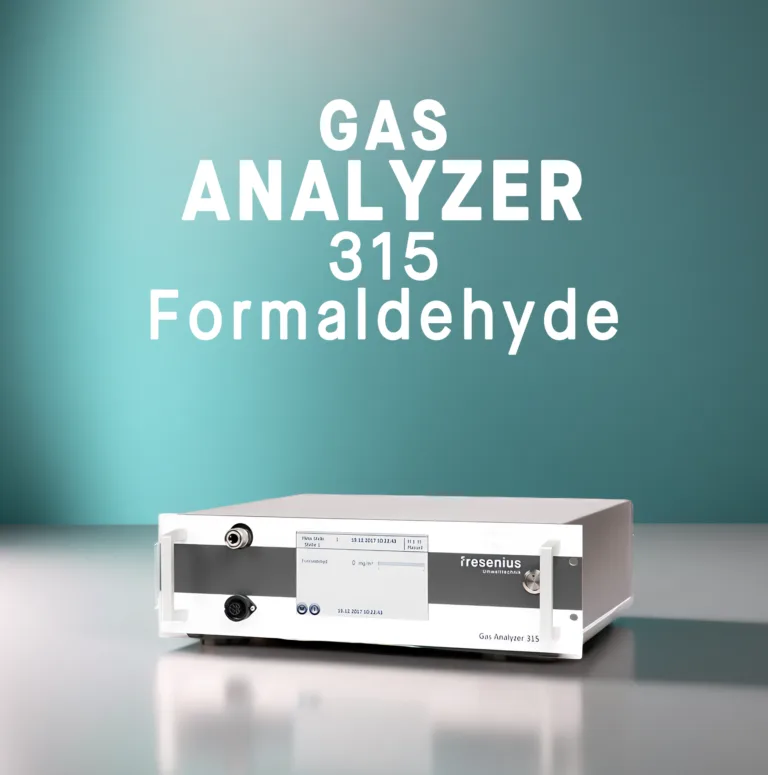 Formaldehyde
 Gas Analyzer 315 Formaldehyde
Specialized NDIR analyzer for precise formaldehyde measurement
Learn more →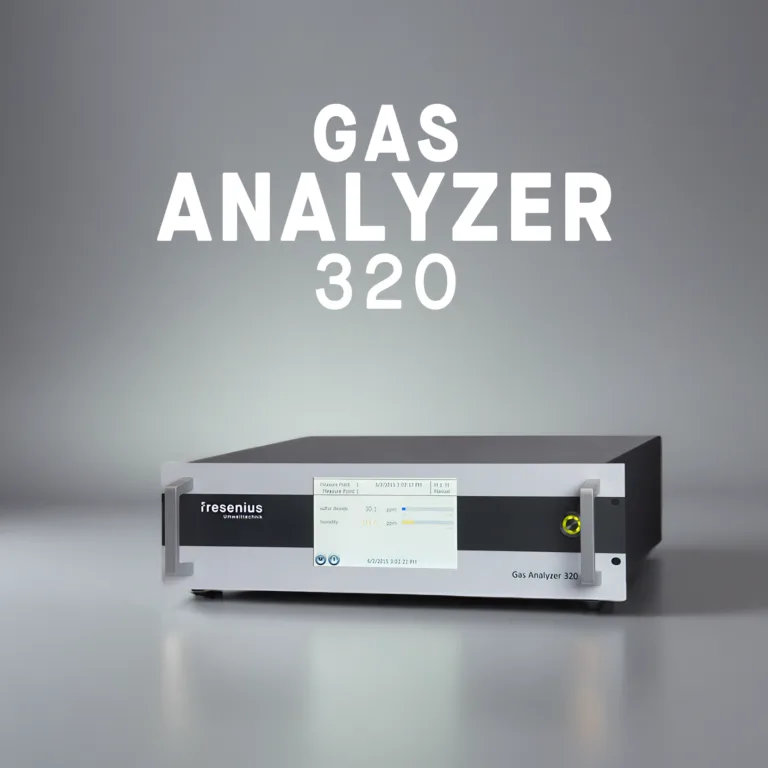 Multi-gas
 Gas Analyzer 320
Multi-gas analyzer for up to 6 IR-active gases in industrial processes
Learn more →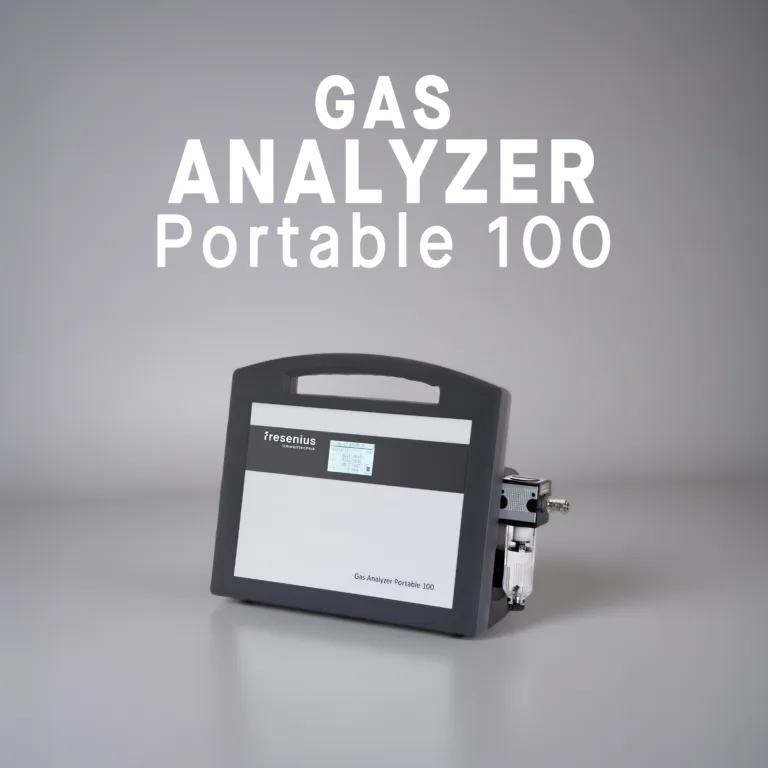 Portable
 Gas Analyzer Portable 100
Portable gas analyzer for on-site mobile measurements
Learn more →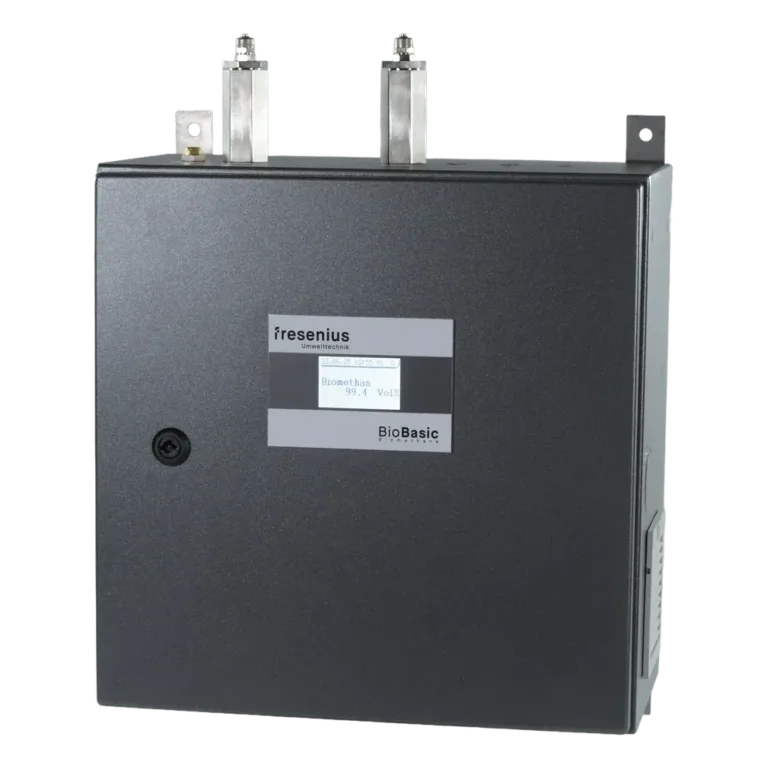 Biomethane
 BioBasic Biomethane
Online gas analyzer for CH₄, CO₂, O₂ and H₂S at the grid injection point
Learn more →Our Service Advantages
Why Fresenius Instruments is your partner for gas analyzers for process and emission – with over 175 years of experience in analytical chemistry.
Fast Response Times
Average response time within 24–48 hours. Reliable service with short waiting times to get your equipment back up and running as quickly as possible.
Dedicated Contact Person
With us, you always have a dedicated contact who knows your system in detail. No changing contacts, but continuous support for optimal results.
Worldwide Field Service
Service deployments throughout Europe – from Scandinavia to the Mediterranean. Our technicians are thoroughly familiar with regional requirements and regulations.
Experienced Technicians
Our technicians bring years of practical experience in gas measurement technology and are continuously trained on new device types and analysis methods.
Over 120 Measurable Substances
From standard gases to exotic compounds – our analyzers cover a wide spectrum.
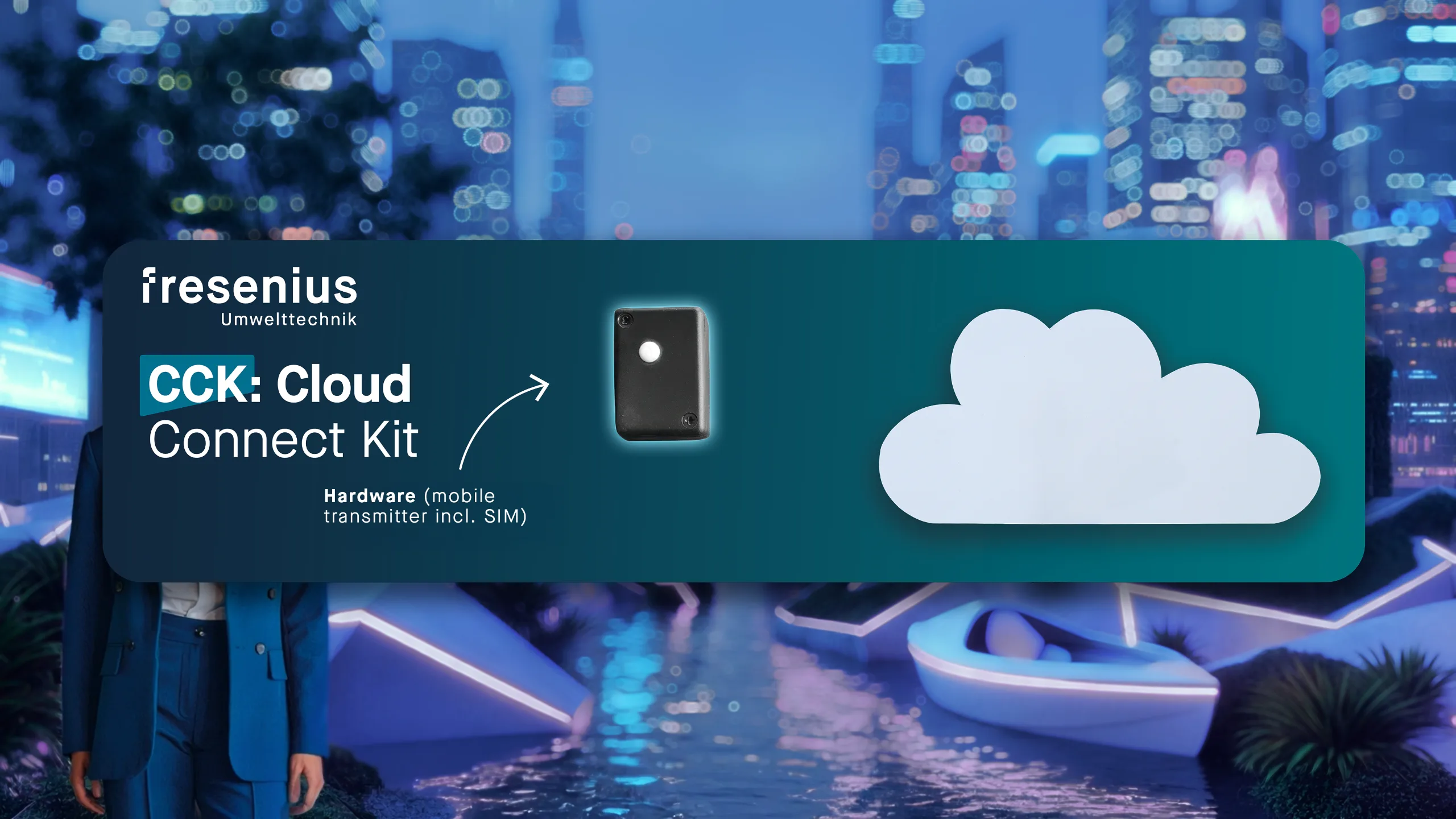
Remote Diagnostics with Cloud Connect Kit
Error and data analysis via mobile network for fast diagnostics without on-site appointments. Real-time monitoring of your gas measurement technology with automatic notification of faults.
Premium Components & Spare Parts Supply
High-quality suppliers primarily from Germany. 10+ years spare parts guarantee. 30+ years device lifespan.
Longevity & Accuracy
Through regular maintenance and calibration, your devices maintain their precision for decades. Measurement accuracy meeting the highest industry standards.
Spare Parts 10+ Years
Long-term supply security with guaranteed spare parts supply for over 10 years. No production downtime due to missing spare parts.
Lifespan 30+ Years
Significant extension of device lifespan through regular professional maintenance. Investment protection and lower total cost of ownership over the entire lifecycle.
Customer Reviews
“The Cloud Connect Kit has significantly reduced our downtime. Remote diagnostics works flawlessly.”
“The service from Fresenius Instruments is excellent. Fast response times and competent technicians.”
Frequently Asked Questions
A gas analyser determines the composition of a gas mixture quantitatively – it measures not just <em>whether</em> a gas is present but <em>how much</em> of it. Readings are output continuously in percent by volume, ppm or mg/m³ and passed to the process control system.
A gas warning device monitors limit values and raises an alarm – it protects people and plant. A gas analyser continuously measures concentration and delivers usable readings for process control, quality assurance and emission reporting. The two solve different tasks and are not interchangeable.
In extractive measurement a probe takes a partial flow from the process. Sample gas conditioning removes moisture and particles so that no condensate forms in the analyser. Inside the device the gas passes a measuring cell in which a physical effect is evaluated – the infrared absorption of the gas in the case of NDIR. In-situ measurement dispenses with extraction: the device measures directly in the duct.
Our gas analysers work with NDIR, TDLAS, paramagnetic O₂ measurement, zirconium oxide sensors, thermal conductivity detection (TCD) and electrochemical sensors. We use TDLAS for methane. We recommend the appropriate principle for each application – or combine several in one device.
More than 120 substances, among them CO, CO₂, CH₄, O₂, SO₂, NO, N₂O, H₂S, NH₃ and formaldehyde. Which components a single device covers depends on its sensor configuration: the GA210 is a single-gas analyser, the GA220 takes up to eight sample gas inlets.
Achievable accuracy depends on measurement principle, range and gas matrix, and is specified for each application. What matters in practice is less the laboratory figure than long-term stability: a device that does not drift for months delivers more reliable data than one with a better datasheet value and frequent recalibration.
The usual method is calibration with test gas at defined intervals. Our NDIR analysers additionally perform a patented automatic zero-point correction <strong>without test gas</strong>. That noticeably reduces maintenance effort and operating costs, because test gas cylinders have to be procured, stored and replaced far less often.
With extractive measurement, almost always. Moist or particle-laden sample gas causes condensation in the analyser, falsifies readings and damages the device. A sample gas cooler lowers the dew point before the gas reaches the analyser – our RCI series achieves a residual moisture of 0.86 vol.-% at a dew point of 5 °C.
Wherever gas composition determines the process or the permit: biogas and biomethane plants, chemicals and petrochemicals, cement and steel works, waste incineration, wastewater treatment, power generation, and research and laboratory work.
Yes. The GA220 takes up to 8 sample gas inlets and combines several measurement principles in one housing to do so. The GA210, by contrast, is a single-gas analyser for one component.
Yes, the GA100 Portable is our portable gas analyser for mobile on-site measurements – battery-powered and ready to use immediately.
Our gas analysers are designed for a service life of over 30 years. Thanks to premium components made in Germany and a spare parts supply of 10+ years, you invest long-term.
Chat with Tory – Your Personal Product Advisor
Our AI Tory advises you on our analyzers, gas coolers, and sampling systems. Ask questions about products, applications, and receive a non-binding quote – around the clock.
Simply click on the chat in the bottom right corner of the screen.

How to get to the right measuring solution
Two ways lead to the same goal. Get in touch with us directly – or complete the technical information form first.
About Fresenius Instruments
Fresenius Instruments combines over 175 years of expertise in chemical analytics. As a specialist in the continuous measurement and analysis of more than 120 substances, we rely on proven methods such as NDIR, EC, NDUV, zirconium oxide, TLDAS, and Raman laser spectroscopy for extractive process measurement. Our origins lie in the historic Institut Fresenius, founded by Carl Remigius Fresenius, a pioneer whose innovations have shaped the field of chemical analytics for over 175 years.