


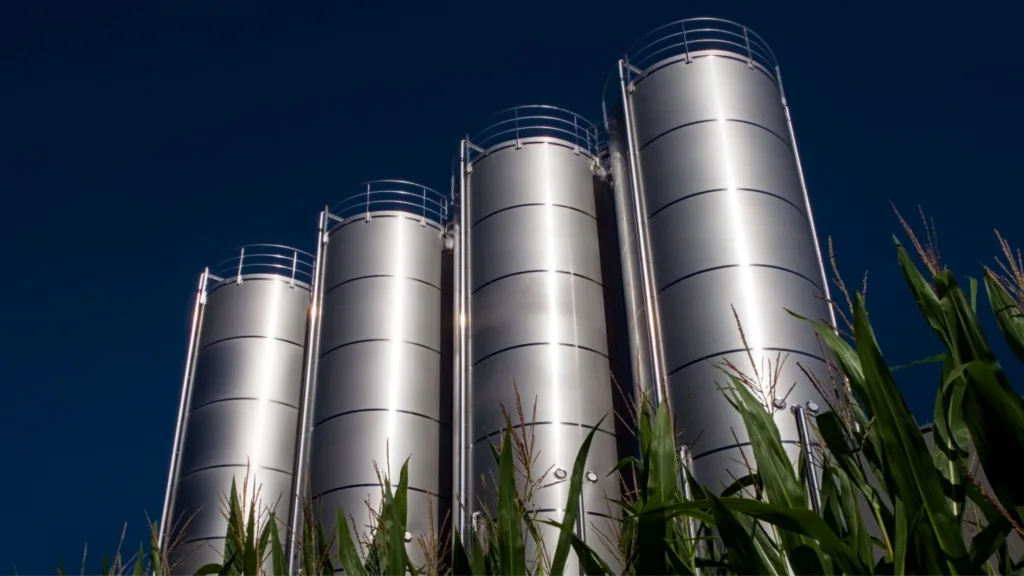
 Biomethane Feed-in into the Natural Gas Grid: How Precise Gas Analysis Supports Quality Assurance and Grid Injection Secure Biomethane Feed-in Thanks to Precise Gas Analysis: Fresenius Umwelttechnik's fast online process analytics continuously monitors relevant accompanying gases such as H₂S, O₂, and CO₂ in …


Gas analyzer manufacturer – process measurement technology
Solutions for
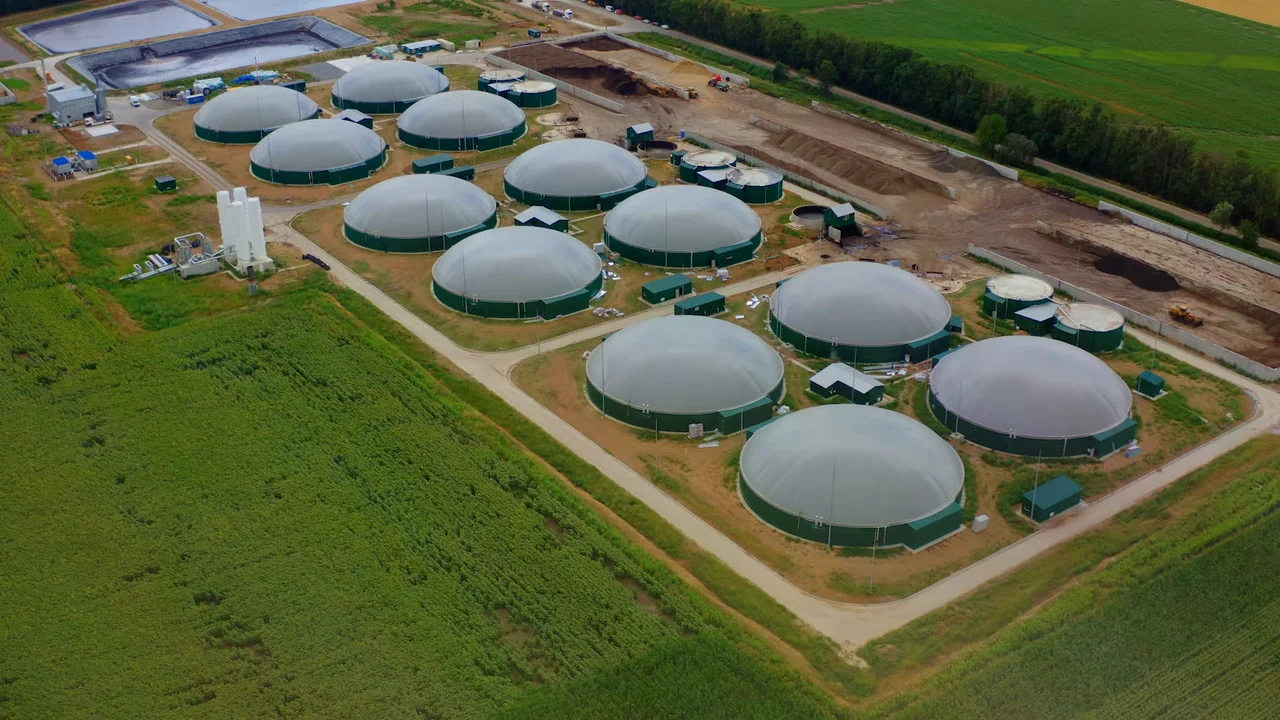
Biogas plants
Continuous measurement of CH₄, CO₂, O₂, H₂S and H₂ in biogas – from digester to grid injection.
Biogas measurementSolutions for
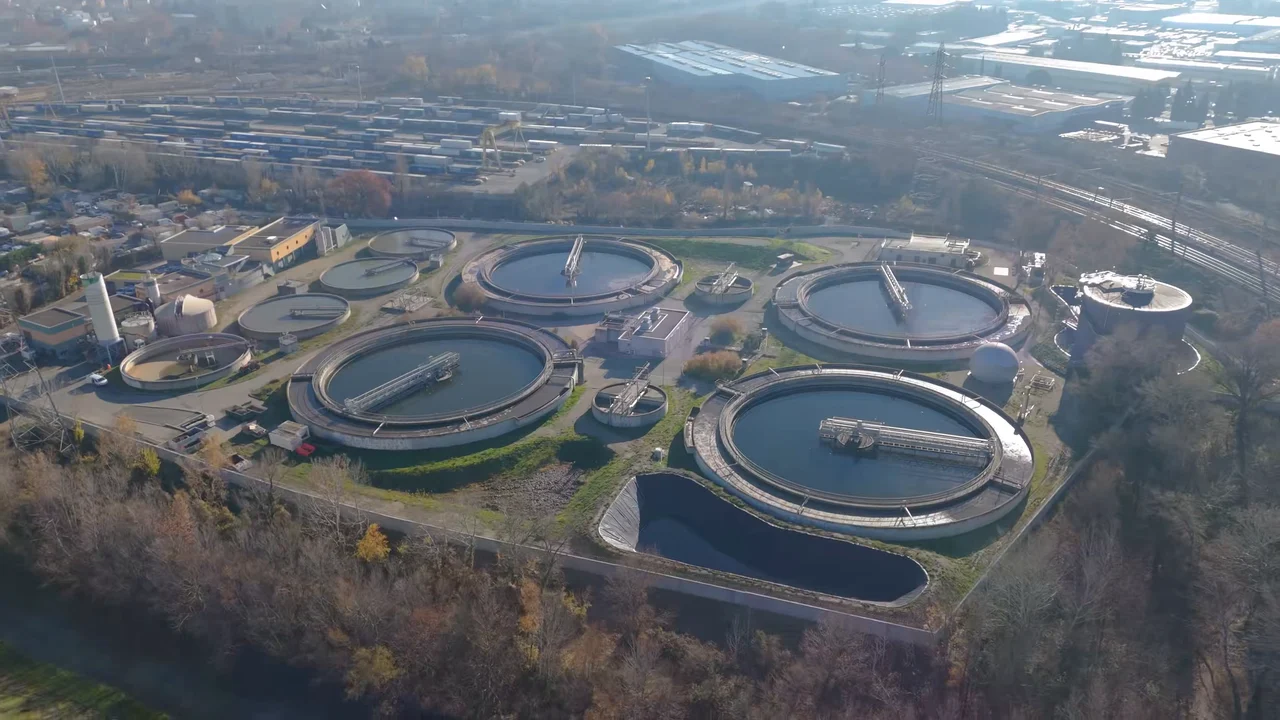
Wastewater treatment
Reliable measurement of digester gas, exhaust air and greenhouse gases from aeration tanks.
Wastewater measurementEmission monitoring of WWTPs
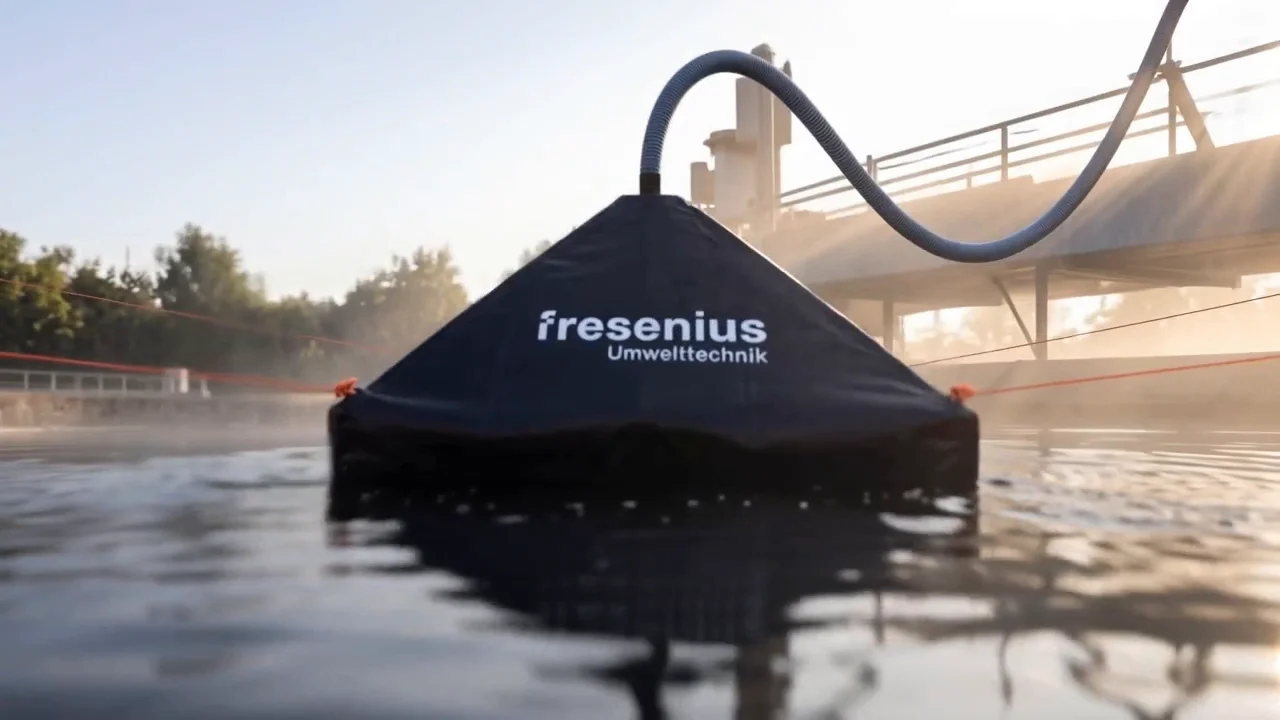
Gas Dome 300
The floating hood captures gases right at the basin surface.
Discover Gas Dome 300Solutions for
Recycling plants
Reliable monitoring of refrigerants, blowing agents and oxygen in fridge recycling.
Recycling measurementRegister your device for maintenance
Service & maintenance
Maintenance, calibration and repair – in Herten, at your site and for devices from other manufacturers too.
Explore serviceBecome a partner in your region
Our partner program
Sales and service for process measurement technology from Germany – in your market.
Become a partnerAbout us
Tradition meets high tech
Roots in the laboratory of Carl Remigius Fresenius in Wiesbaden – today process measurement and AI from Herten, Germany.
About usWhat we do
Online and continuous process gas analyzers – extractive measurement
A gas analyzer measures the concentration of one or more gases – in process gas, in ambient air or in a safety atmosphere, continuously and in real time.
In Herten, Germany, we develop and build extractive online and inline gas analyzers – plus sample gas conditioning and the evaluation of your measurement data. The BioBasic shows how it all works together.
01 Sample
The sample gas comes straight from the process
A powerful pump draws the gas through probe and line to the device – even over long distances. This way the BioBasic measures up to five sampling points, from digester to grid injection.
02 Condition
Clean, dry gas for a stable reading
Before the gas reaches the measuring cell it is filtered and freed of condensate. For very humid process gases our sample gas coolers dry the gas beforehand.
03 Measure
Five gases, measured continuously
Infrared (NDIR) measures methane and CO₂; electrochemical sensors capture oxygen, hydrogen sulphide and hydrogen. The display shows all values at a glance.
- CH₄
- CO₂
- O₂
- H₂S
- H₂
04 Use the data
Readings that control your process
The readings go to your plant control system – and, with the Cloud Connect Kit, to your smartphone too, with remote diagnostics and notifications.
Industries
Process measurement for your industry
Biogas plant, chemical works or laboratory: our gas analyzers measure wherever processes have to run safely and efficiently.
-
Industry & production
Industry & production
- Plant engineering
- Automotive industry
- Glass, cement, metal & steel
- Food & beverages
- Paper production
- Refrigerant monitoring
-
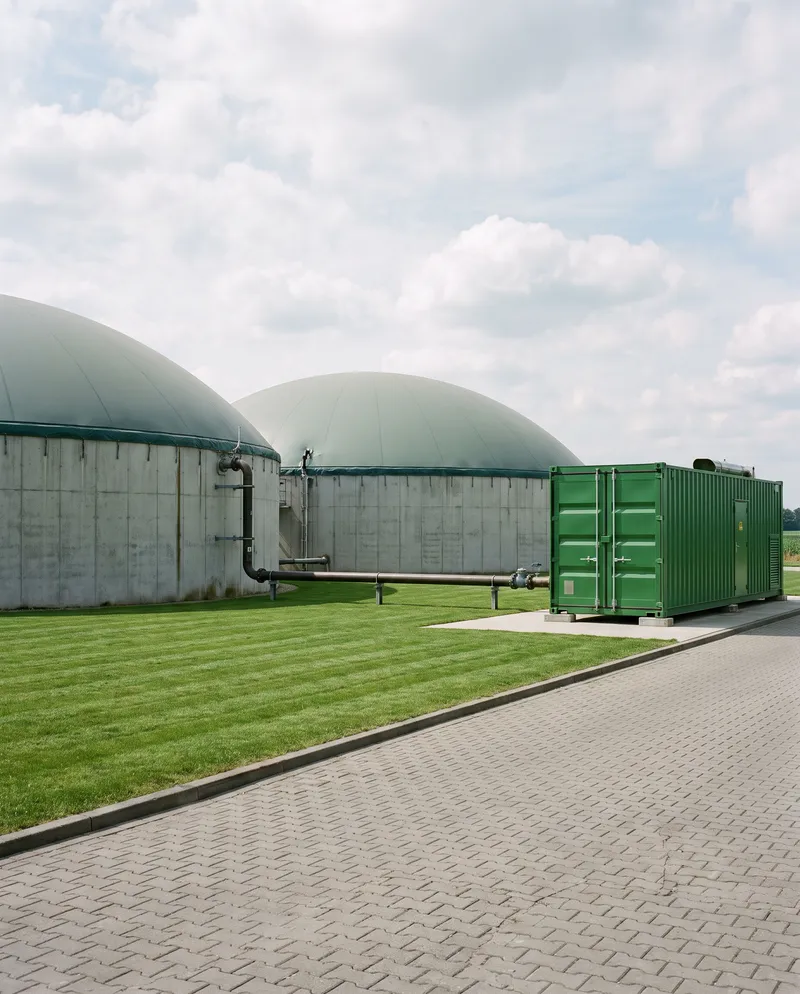
Renewable energy
Renewable energy
- Biogas plants
- Biogas upgrading & biomethane
- Combined heat and power plants
- Wastewater treatment plants
- Landfills
- Bioethanol
-
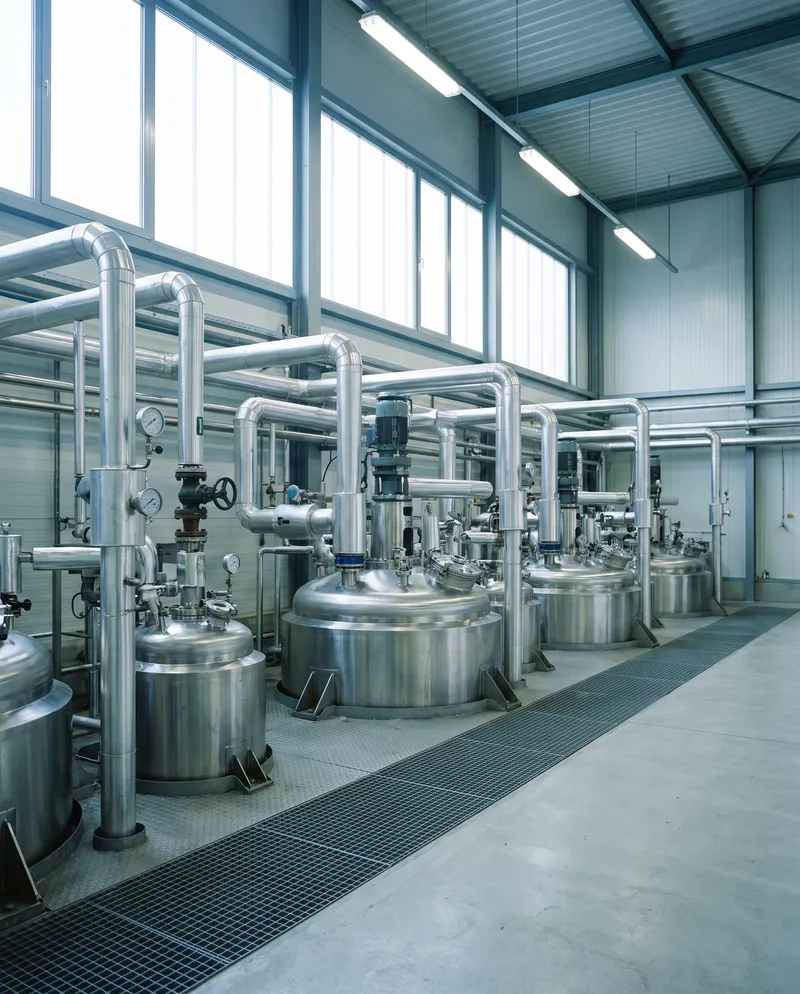
Chemistry
Chemistry
- Solvents
- Adhesives
- Lacquers & paints
- Cleaning & degreasing
- Methanol & ethanol
-
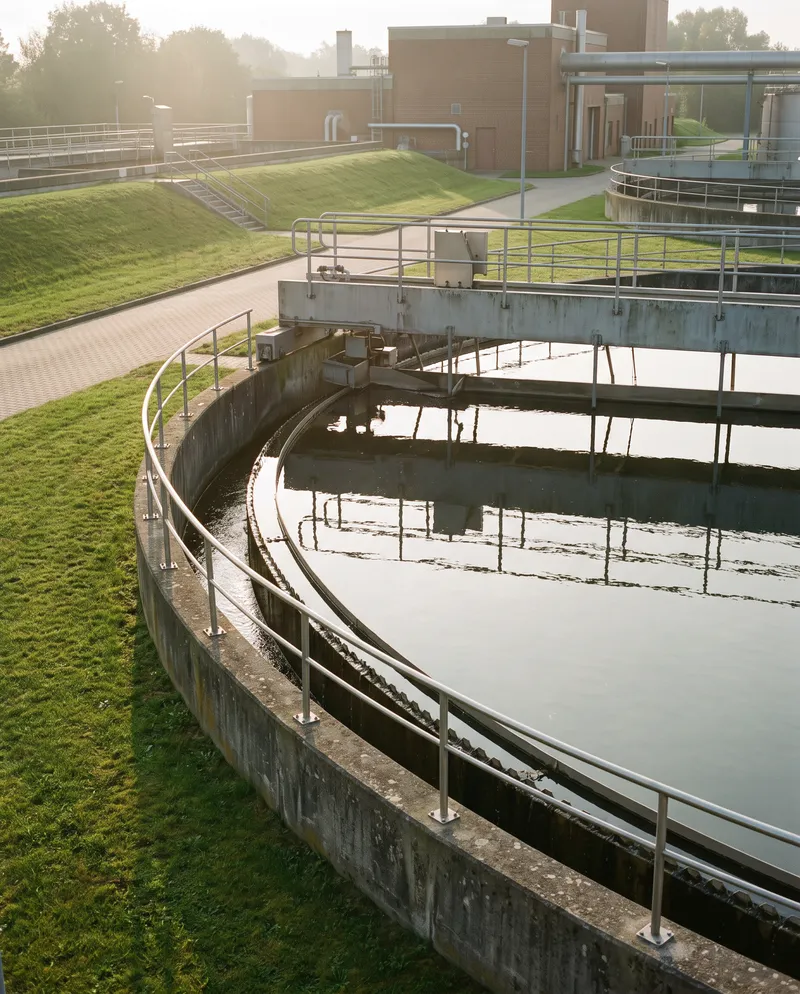
Environmental technology
Environmental technology
- Waste recovery & recycling
- Wastewater treatment
- Biomass utilisation
- Landfill gas utilisation
- Air pollution control
-
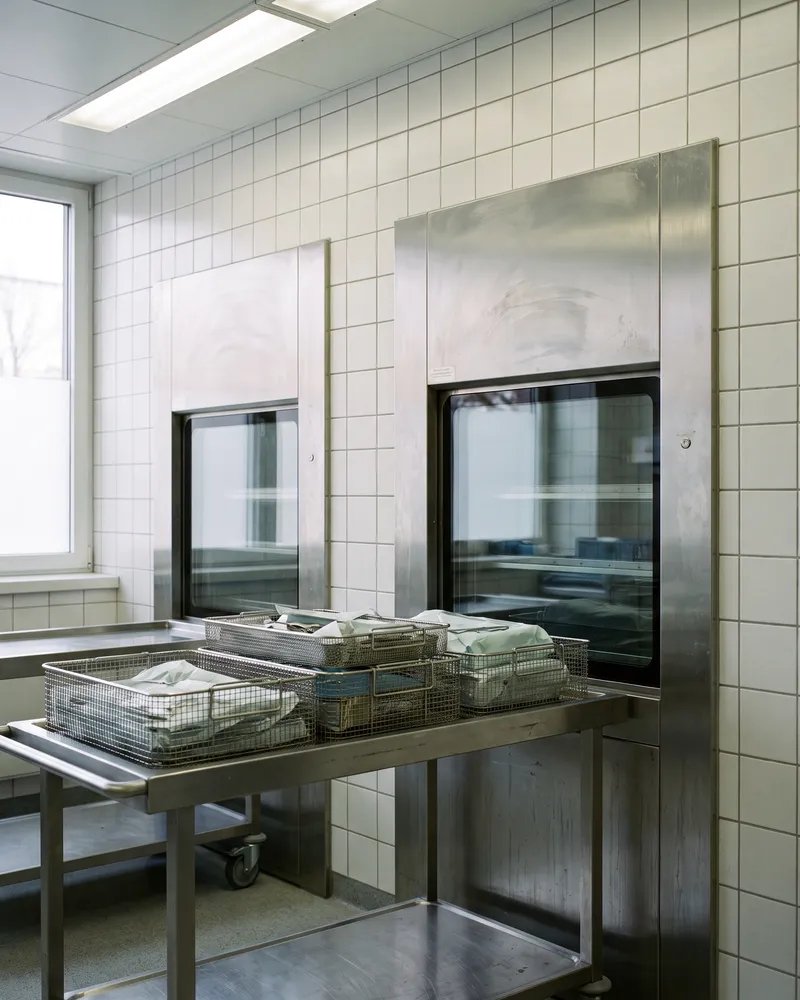
Medical & pharma
Medical & pharma
- Medical technology
- Sterilisation systems
- Anaesthetic gases
- Cosmetics production
- Pharmaceutical production
-
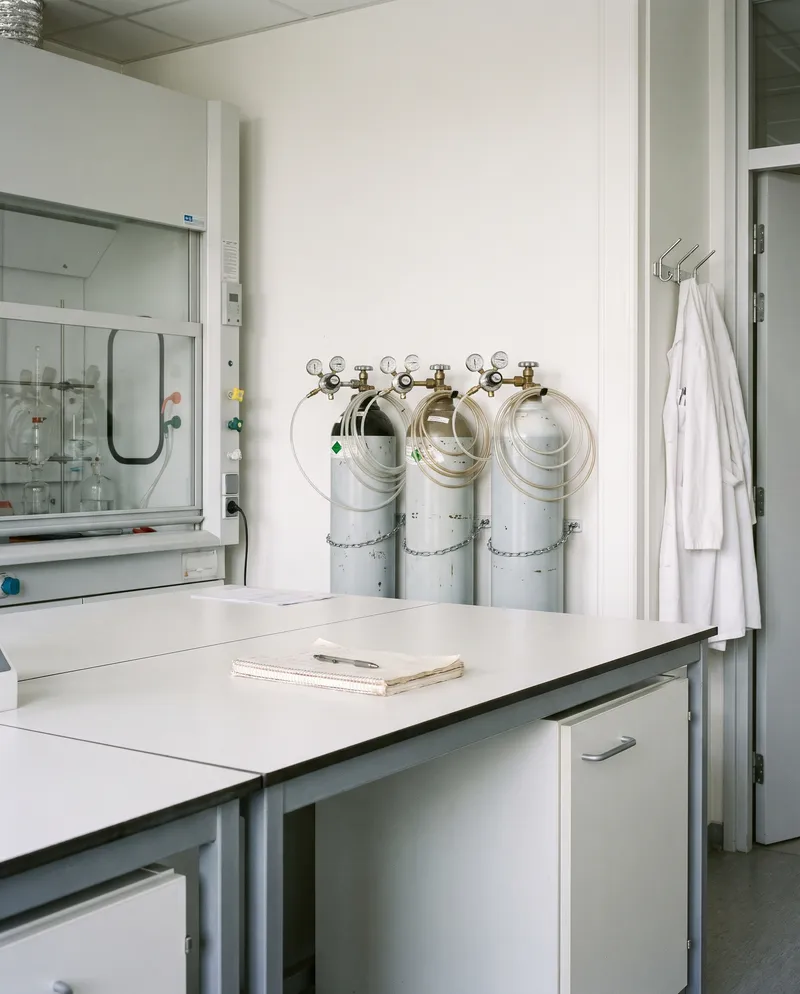
Laboratories
Laboratories
- Medical laboratories
- Environmental laboratories
- Food laboratories
- Our laboratory services
Measuring principles
Six ways to measure a gas
Which measuring principle fits depends on your gas, the measuring range and the rest of the sample gas. Our process measurement technology combines the principles – even in one device.
Which gas do you want to measure?
Six measuring principles
Infrared (NDIR)
Infrared light passes through the heated measuring cell. Every IR-active gas absorbs at its own wavelength – so the device measures gases selectively and with long-term stability.
Typical for CH₄, CO₂, N₂O, solvents, refrigerants
GA 320 GA 220 GA 210 GA 150 Smart Control 300 GAP 100 BioBasic
How NDIR worksInfrared hot and wet
The measuring cell is heated to 85 °C, the sample gas arrives uncooled through a heated hose. Water-soluble gases stay in the gas instead of being lost with the condensate.
Typical for formaldehyde in the exhaust of gas engines
Paramagnetic
Oxygen is attracted by a magnetic field – unlike almost all other gases. This makes the measurement selective and needs no consumable sensor. The sample gas has to be dried for it.
Typical for O₂, for example during inerting
Zirconia
A heated ceramic conducts oxygen ions, the resulting voltage shows the O₂ content. Fast and compact – for gas without silicones, fluorinated hydrocarbons, sulphur oxides and hydrogen.
Typical for O₂ up to 100 vol.%
Thermal conductivity
A heated element releases heat into the gas – hydrogen conducts it much better than air. As a module in the GA 210 or GA 220, it measures H₂ even at high concentrations.
Typical for H₂
Measuring hydrogen
In numbers
Our measurement technology is part of industrial plants worldwide
-
6,000+
devices in operation
Gas analyzers from Herten measure around the clock – in biogas plants, wastewater treatment and industrial processes.
-
460+
plants worldwide
From biogas plants to chemical works, our process measurement technology is an integral part of the plant.
-
124+
markets
With partners and our own service team we support customers all over the world.
-
30+
years of gas analysis
We have been developing process measurement technology since 1992 – today with cloud connectivity and AI.
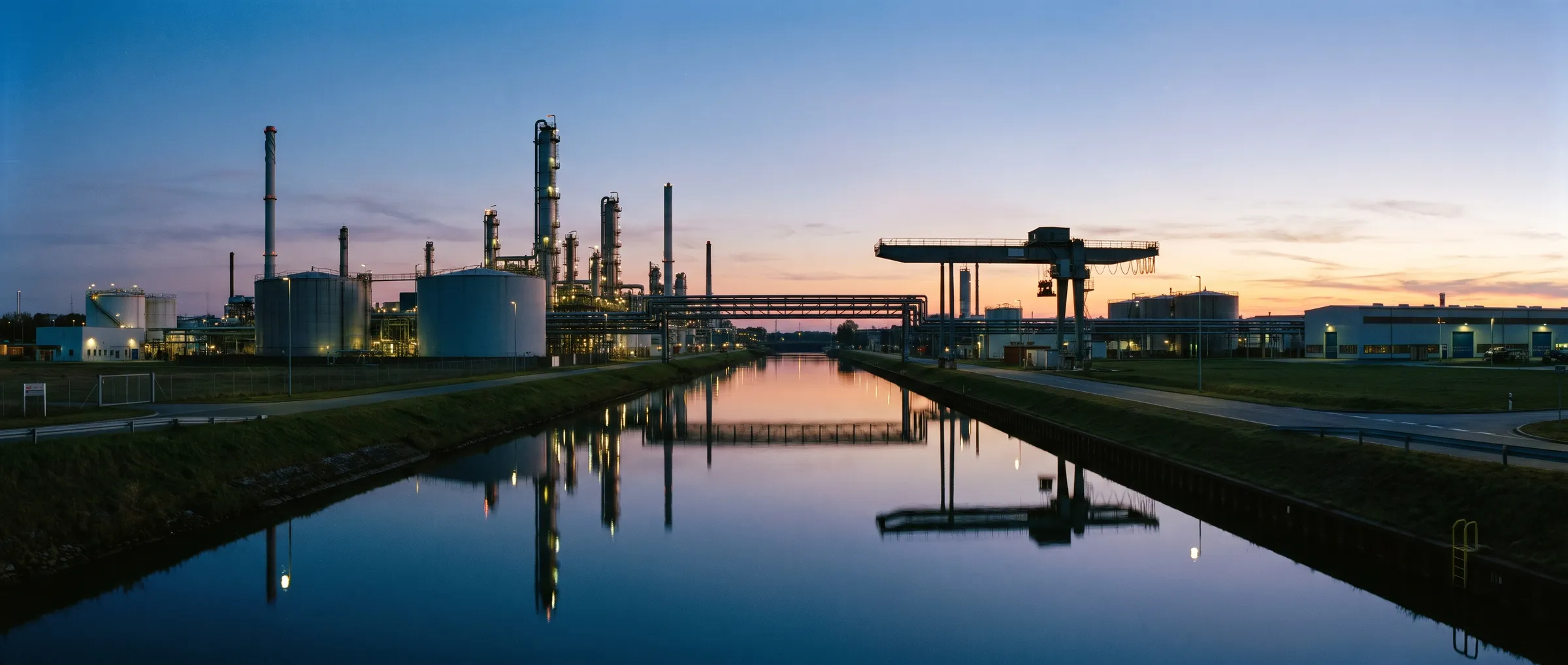
From the measuring task and the concept to the finished measuring point – we support your project.
Let's talkProducts
Gas analyzers and sample gas coolers from Herten
From the biogas analyzer to the multi-gas device for six components – plus sample gas conditioning from our own production.
-
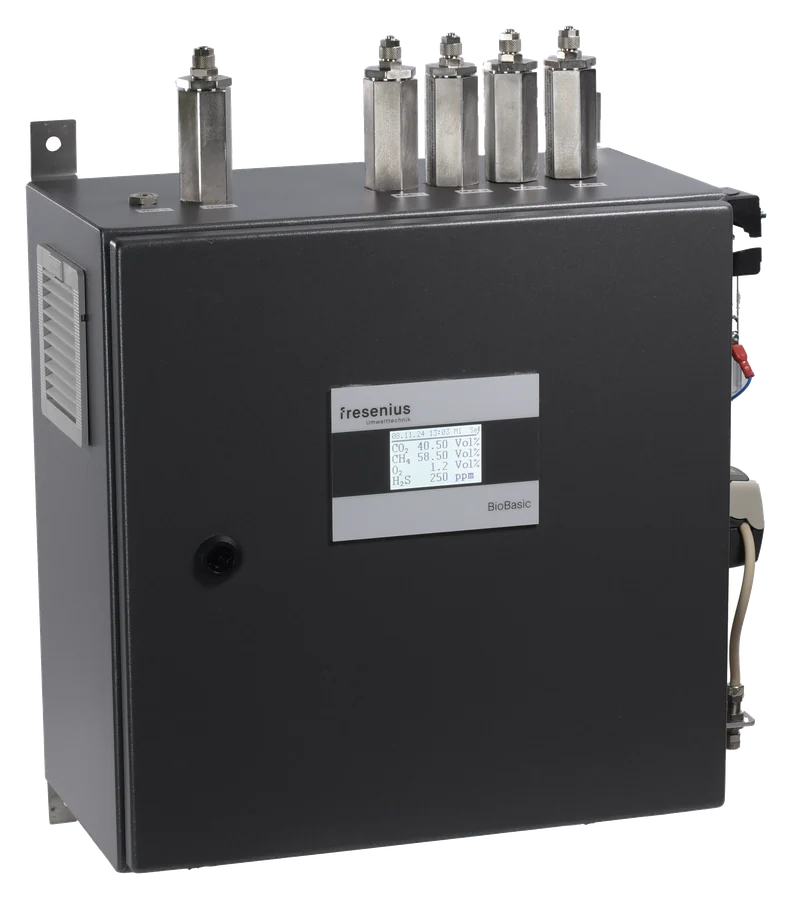 BioBasic Biogas in a wall housing: CH₄ and H₂S, optionally CO₂, O₂ and H₂, up to five sampling points. Learn more
-
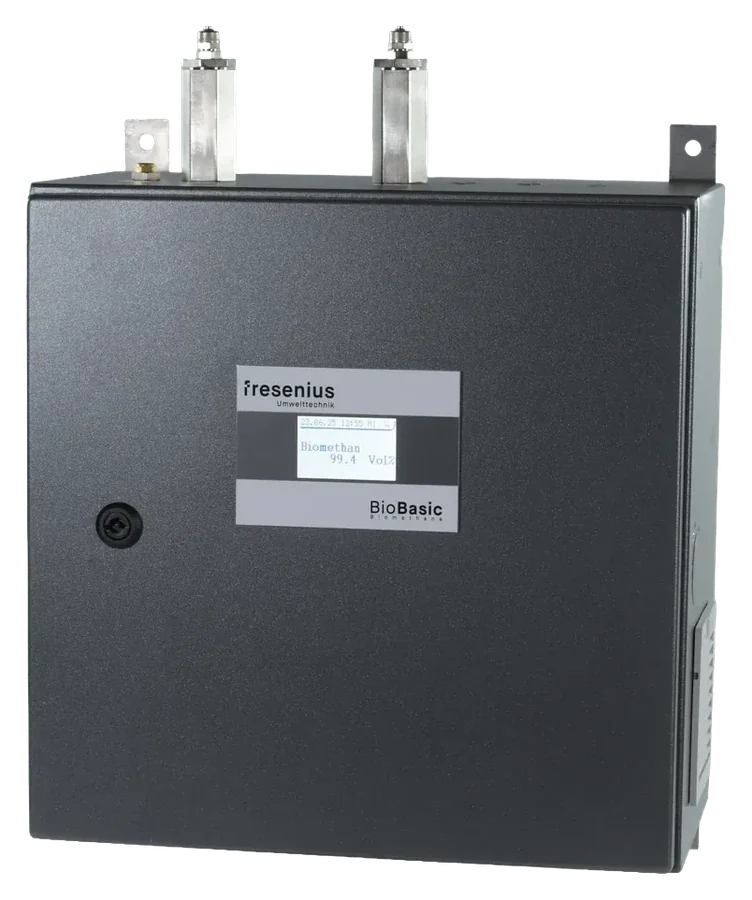 BioBasic Biomethane Biomethane in a wall housing: CH₄, CO₂, O₂ and H₂S every second. Learn more
-
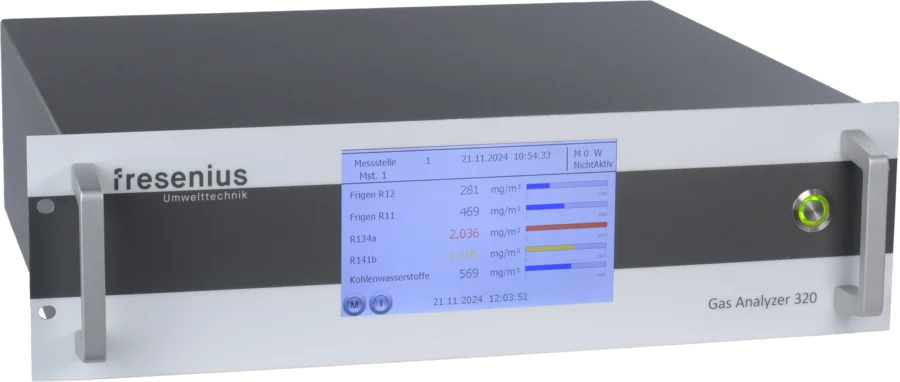 GA 320 Up to six IR components in one device, up to six sampling points. Learn more
-
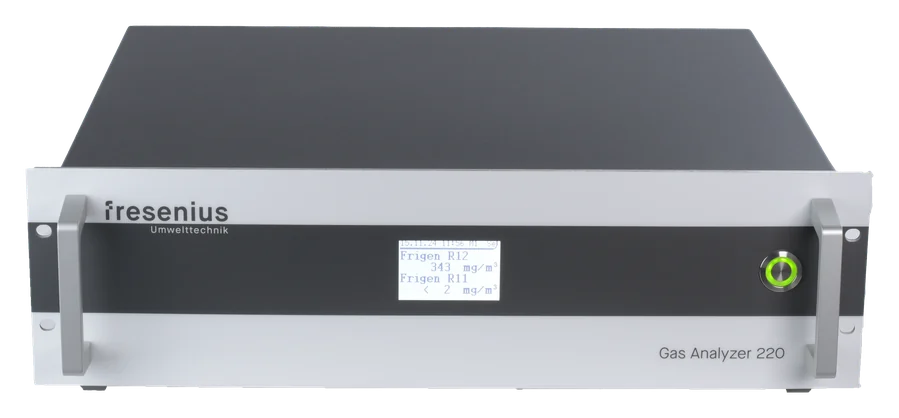 GA 220 Several gases in one device: NDIR, electrochemical and zirconia combined. Learn more
-
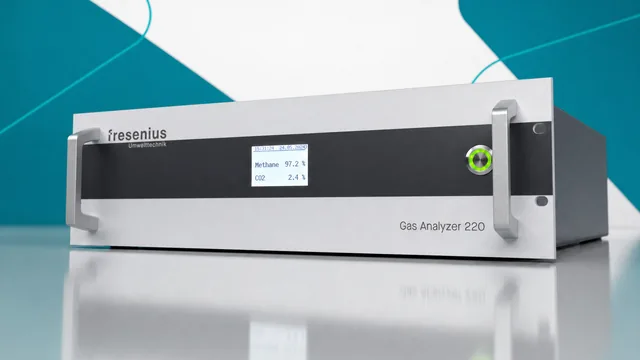 GA 220 Biomethane CH₄ and CO₂ in biomethane, a reading every second. Learn more
-
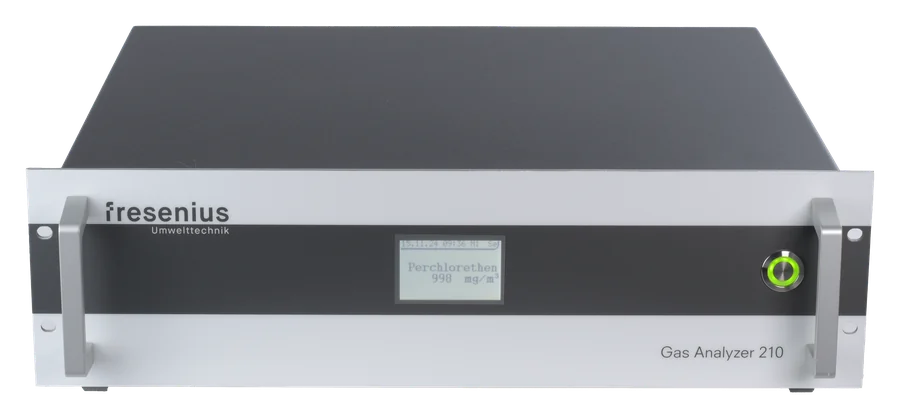 GA 210 One component, by NDIR, electrochemically or with zirconia. Learn more
-
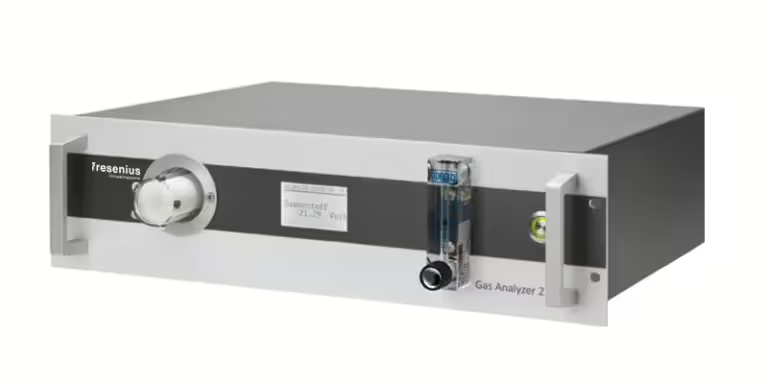 GA 210 O₂ paramagnetic Oxygen selectively, without a consumable sensor – for example during inerting. Learn more
-
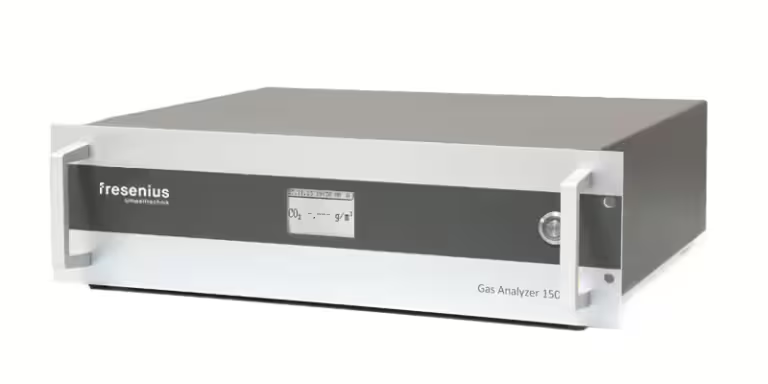 GA 150 One solvent such as perchloroethylene or hydrocarbon solvents, at up to eight sampling points. Learn more
-
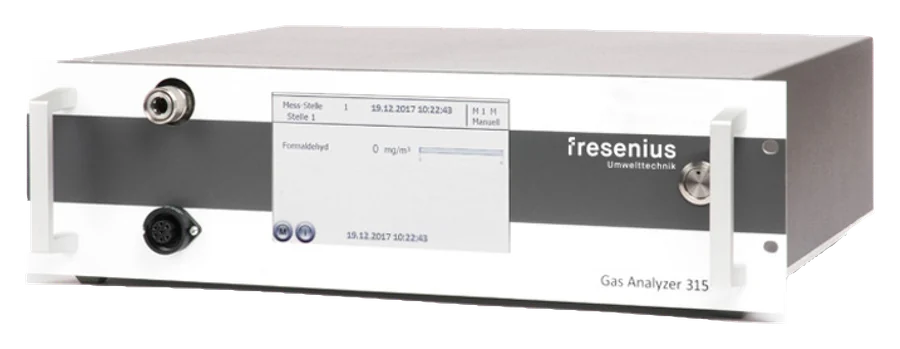 GA 315 Hot Gas Formaldehyde hot and wet, detection limit 2 mg/m³. Learn more
-
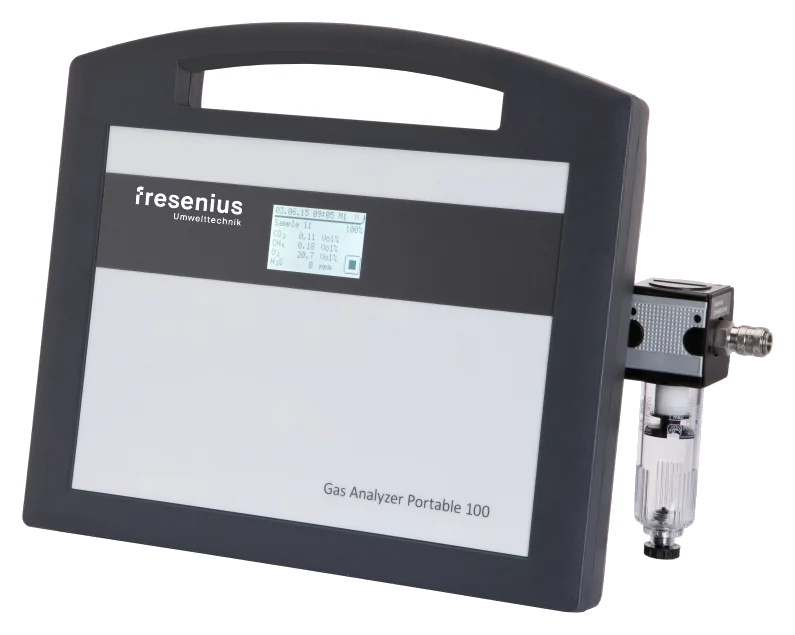 GAP 100 Portable: CH₄, CO₂, O₂ and H₂S for spot checks. Learn more
-
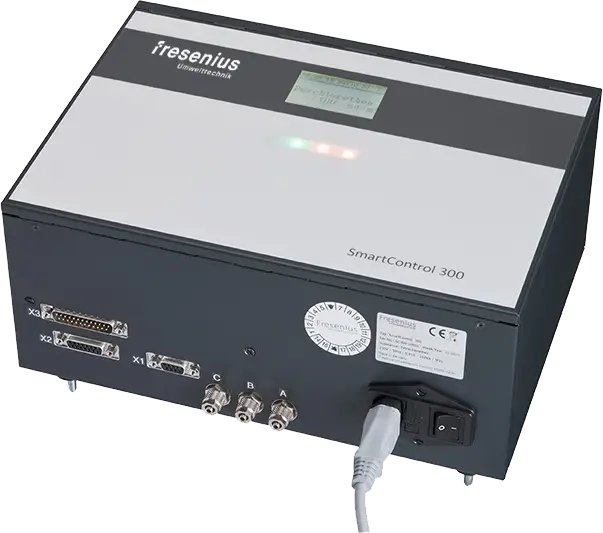 Smart Control 300 Compact for mounting: up to three IR components, one or two sampling points. Learn more
-
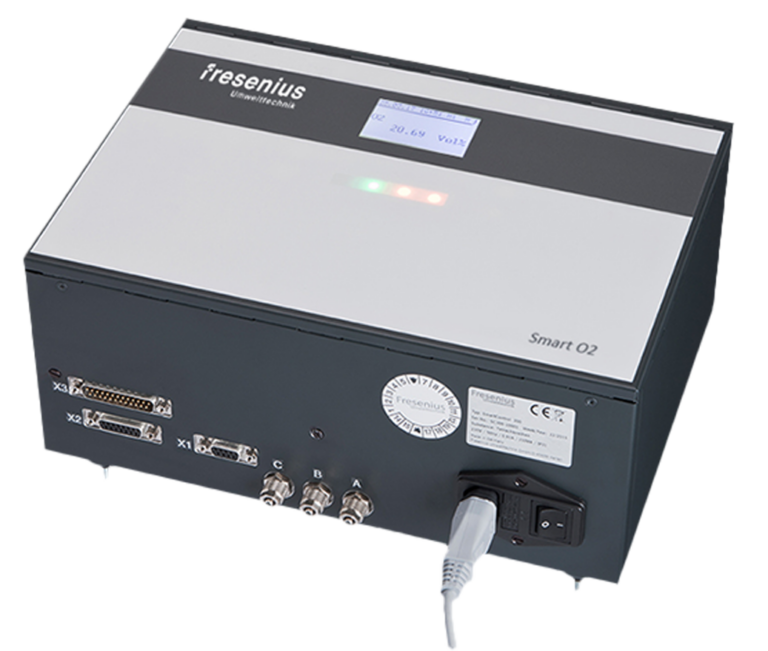 Smart O₂ Oxygen with zirconia, compact, a reading every second. Learn more
-
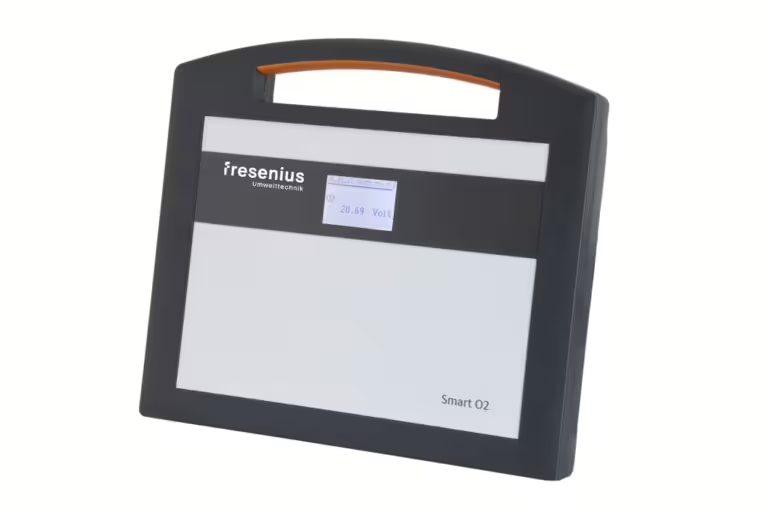 Smart O₂ Portable Oxygen with zirconia to take along, battery-powered. Learn more
-
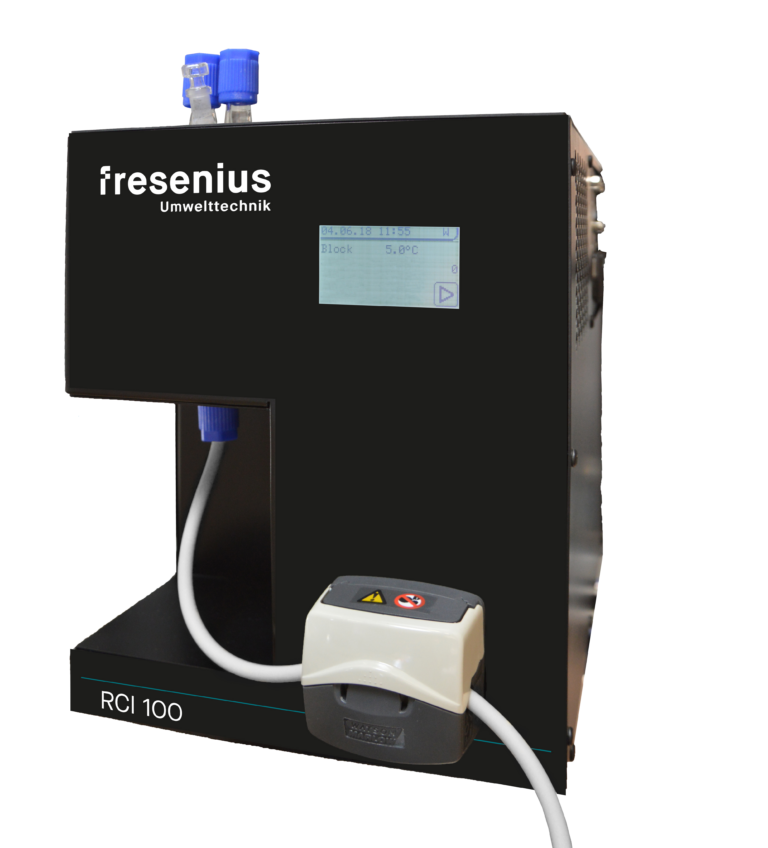 RCI 100 Wall or floor housing for one sample gas stream. Learn more
-
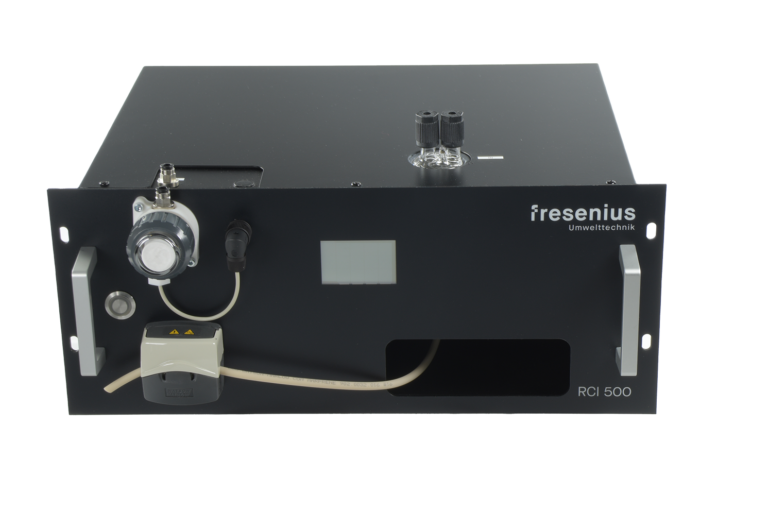 RCI 500 19-inch rack unit for one sample gas stream – for installation in your cabinet. Learn more
-
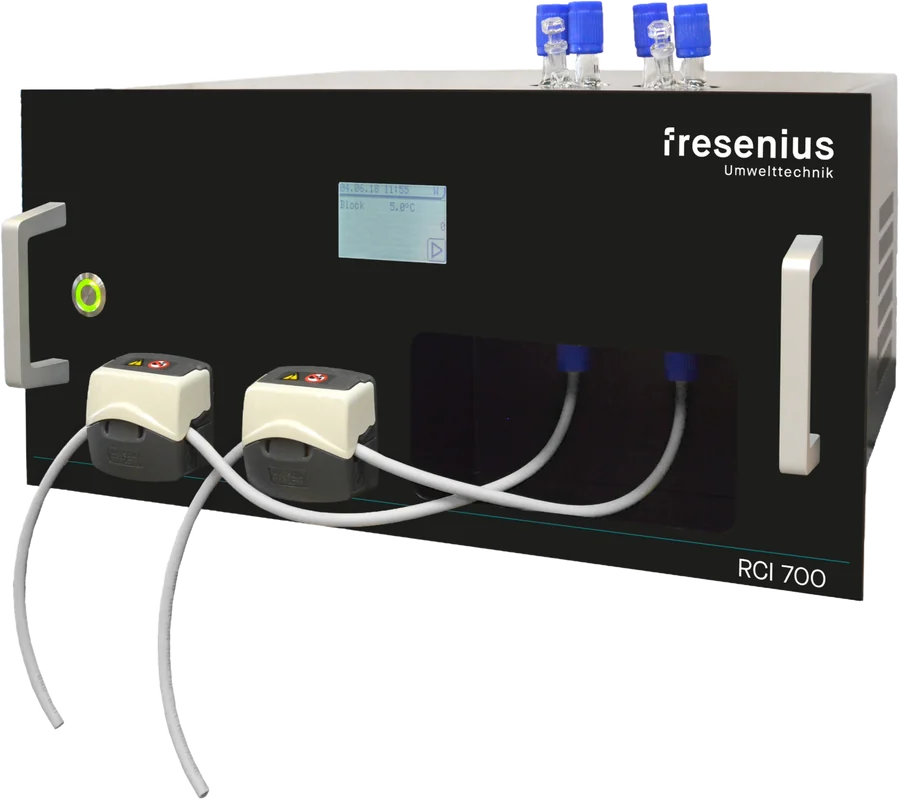 RCI 700 19-inch rack unit for two sample gas streams, each with its own heat exchanger and filter. Learn more
Advantages
The Fresenius advantage
- Reliable in continuous operation
- Continuous online measurement
- Fully automatic operation
- Automatic zero-point correction
- Powerful pumps for long sample lines
- Reliable service – also at your site
- Direct line to support
- Low service costs
- Modern technology from an innovative manufacturer
- Made in Germany
Applications
From digester to exhaust air: our process measurement in action
-
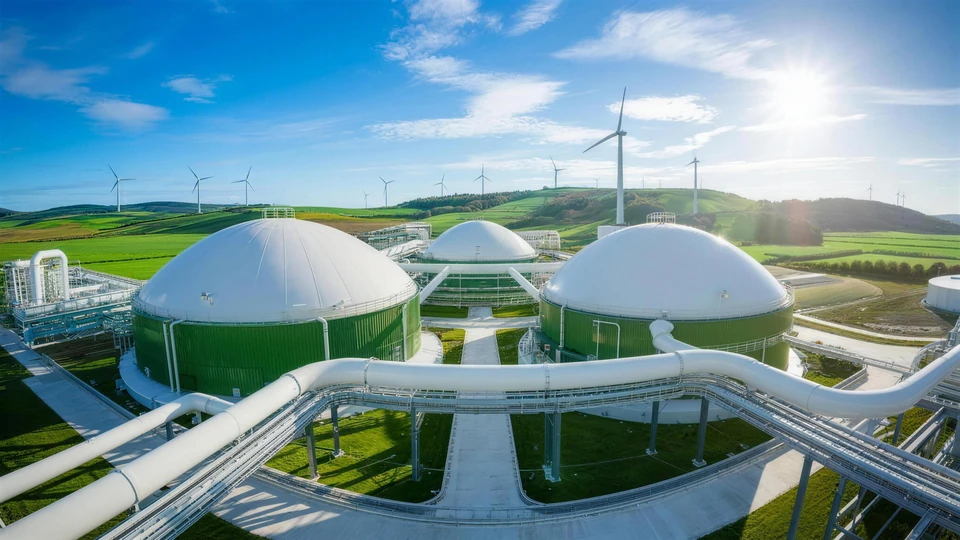 01 Biogas & biomethane Measuring points from digester to grid injection
-
 02 Biogas calculator What better gas analysis brings your plant
-
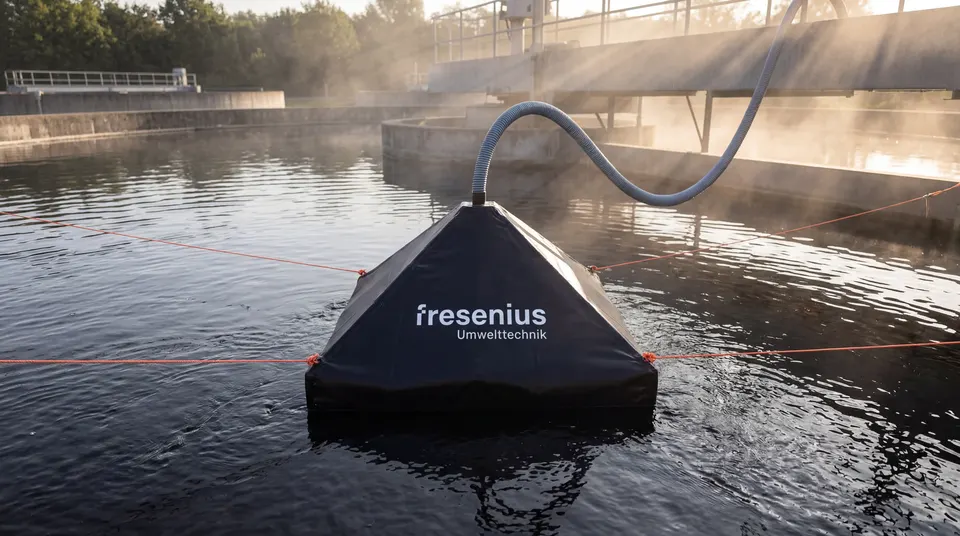 03 Wastewater treatment Measuring nitrous oxide, methane and digester gas
-
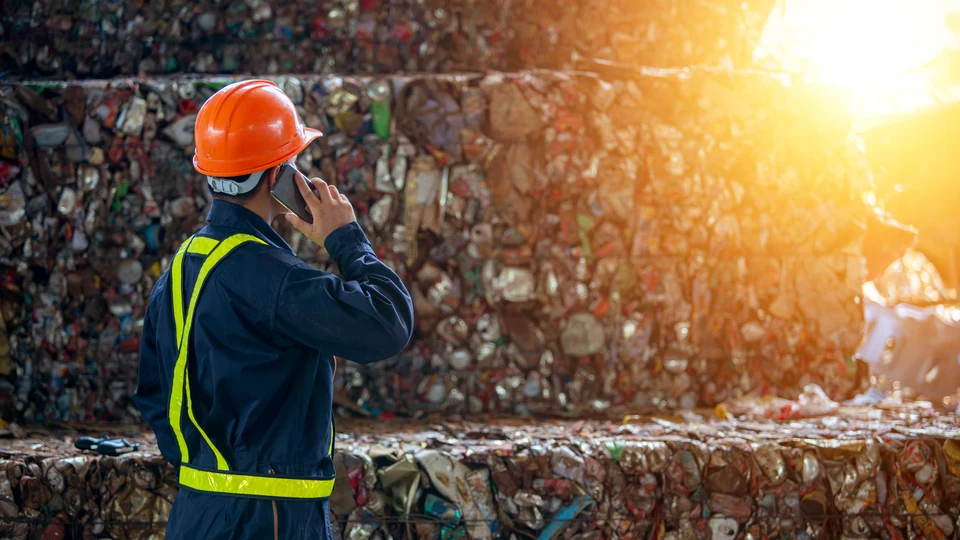 04 Recycling Refrigerants, blowing agents and inerting
-
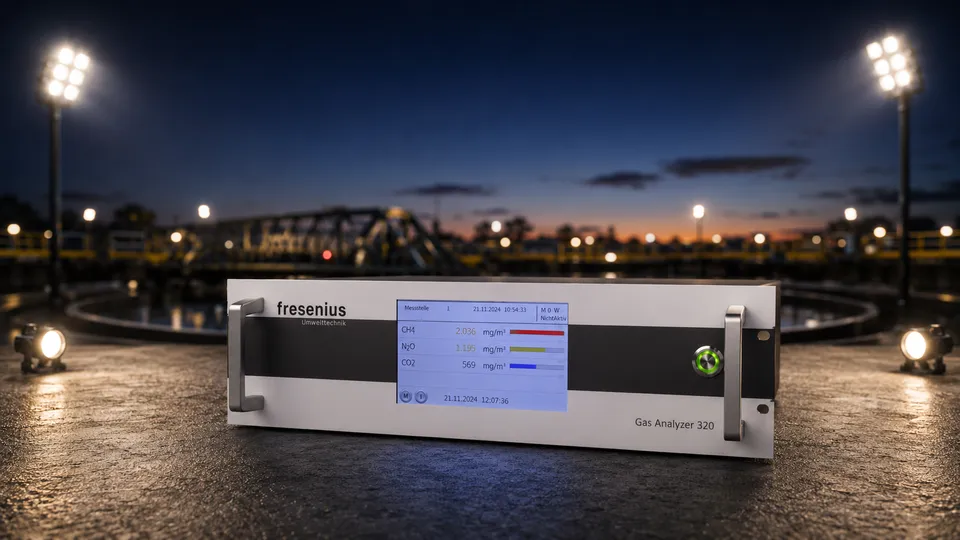 05 Sample gas analysis Six measuring principles, one contact
-
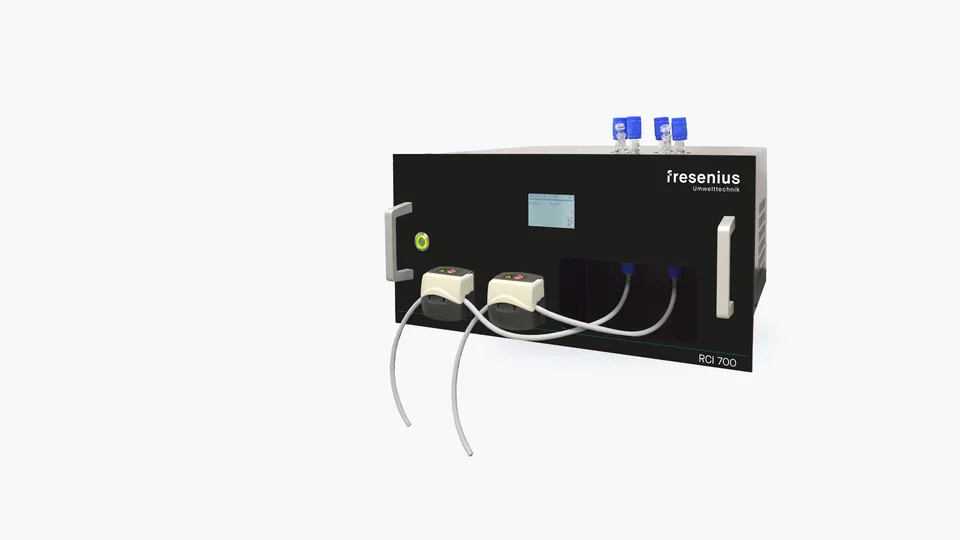 06 Sample gas conditioning Cooling and drying sample gas

About us
Made in Germany · Herten
Over 30 years of gas analysis – a digital pioneer today
We develop, build and service our process measurement technology in Herten, Germany – with our own lab, our own software and our AI advisor Tory.
- 1992Fresenius Umwelttechnik GmbH is founded
- 2010The BioBasic arrives
- 2018ISO 9001 and Fresenius Instruments
- 2025Tory and the Cloud Connect Kit
Our roots go back to 1848 and the laboratory of Carl Remigius Fresenius in Wiesbaden.
We make processes measurable – precisely, reliably and so easy to operate that you can focus on your process instead of the measuring technology.
- Measure preciselyreliable values in continuous operation
- Control processessafer and more efficient with your readings
- Cut emissionsmake methane and nitrous oxide visible
Measuring technology that thinks ahead: it evaluates measurement data in real time and helps you make the right decisions without deep expertise – all the way to automated operation. We are evolving from an instrument maker into a high-tech company with data at its core.
- Measure
- Connect
- Understand
- Act
- AI in developmentiterate faster, test more
- Toryreal-time dialogue in sales and support
- Measurement datawith Cloud Connect Kit or local
News
Trade fairs, projects and news from gas measurement
Biomethane Feed-in into the Natural Gas Grid: How Precise Gas Analysis Supports Quality Assurance and Grid Injection Secure Biomethane Feed-in Thanks to Precise Gas Analysis: Fresenius Umwelttechnik's fast online process analytics continuously monitors relevant accompanying gases such as H₂S, O₂, and CO₂ in …  Gas Analysis in Recycling: Efficient Process Control and Emission Monitoring in Waste Recovery
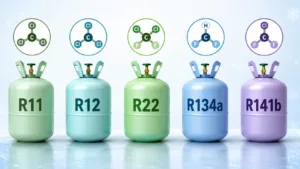 Refrigerant Calibration Gases Are Becoming More Expensive and Scarcer: What You Need to Know Now
FAQ
Frequently asked questions about gas analyzers
What is a gas analyzer?
A gas analyzer measures the concentration of one or more gases – in process gas, ambient air or a safety atmosphere. Our devices work online and continuously: they draw the sample gas from the process, condition it and measure it around the clock.
What is the difference between a gas analyzer and a gas detector?
A gas detector raises an alarm when a limit is exceeded – it protects people. A gas analyzer measures the exact concentration, often of several gases at once, and passes the values to your control system so you can control and optimise your process. For threshold monitoring we also offer the Smart Control 300.
Which measuring principles do your gas analyzers use?
Depending on gas and measuring range: infrared (NDIR), paramagnetic and zirconia oxygen measurement, electrochemical sensors and thermal conductivity for hydrogen. We often combine several principles in one device.
How do you measure methane in biogas?
An NDIR sensor measures methane and CO₂; electrochemical sensors measure oxygen, hydrogen sulphide and hydrogen. The BioBasic measures these gases continuously at up to five sampling points – from the digester to grid injection.
Extractive or in-situ gas analysis – which suits my process?
In extractive measurement the sample gas is withdrawn, conditioned and measured in the analyzer – this protects the device and allows several gases and sampling points. In-situ devices measure directly in the process, such as the TINA for toxic and explosive gas mixtures. We work out the right solution with you based on gas, temperature and humidity.
How often does a gas analyzer need calibration?
That depends on the device, measuring range and application. Many plants need one maintenance and calibration per year; the automatic zero-point correction keeps the measurement stable in between. Our service team calibrates in Herten or at your site.
Why does a gas analyzer need a sample gas cooler?
Moist sample gas can condense in lines and the measuring cell and falsify the measurement. The sample gas cooler dries the gas before the analyzer. For water-soluble gases such as formaldehyde we measure hot and wet instead, so the component is not lost in the condensate.
Do you service gas analyzers from other manufacturers?
Yes. We maintain, calibrate and repair devices from other manufacturers too – in our workshop in Herten or at your site, and internationally with our service partners.
Who manufactures gas analyzers in Germany?
Fresenius Instruments has been developing and building gas analyzers and sample gas coolers in Herten, Germany, since 1992. Around the devices we offer advice, commissioning, service and training from a single source.
Advice
Tory – your gas analysis advisor
Which gas, which measuring range, which plant? Tory answers your technical questions right away, suggests suitable devices and, if you like, takes you straight to a quote or a meeting with our team.
- Answers to technical questions – around the clock
- Suitable devices for your measuring task
- Direct path to a quote or meeting

Do you have a measuring task?
Tell us about the gas, process and measuring range – we design the right process measurement technology with you.