




Gas Analyzers of the GA Series

#1 Worldwide top class: Gas Analyzer for highest measuring accuracy
Real-time measurement for maximum control and efficiency
Products in this series
Individually adaptable to your needs
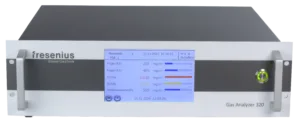
Gas Analyzer 320
Learn more →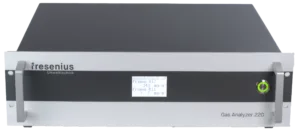
Gas Analyzer 220
Learn more →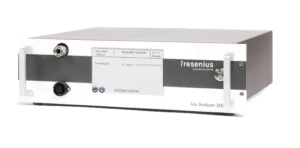
Gas Analyzer 315 Hot Gas
Learn more →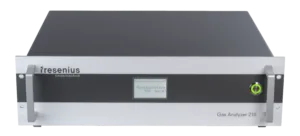
Gas Analyzer 220 - Biomethane
Learn more → Gas Analyzer 210
Learn more →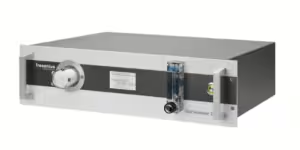
Gas Analyzer 210 O₂ paramagnetic
Learn more →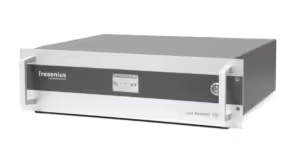
Gas Analyzer 150
Learn more →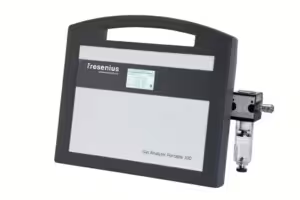
Gas Analyzer Portable 100
Learn more →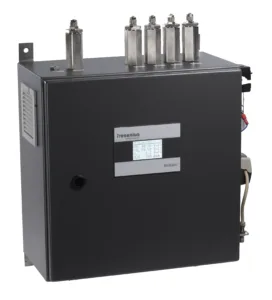
BioBasic
Learn more →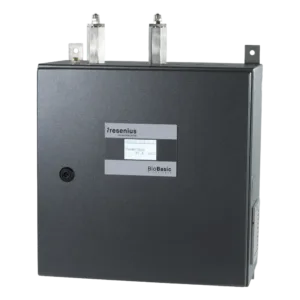
BioBasic Biomethane
Learn more →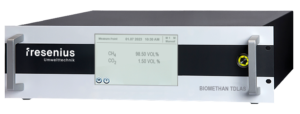
Biomethane TDLAS
Learn more →What is a gas analyzer – and which one fits?
A gas analyzer continuously determines which gases a mixture contains and at what concentration. A gas warning device reports that a limit has been exceeded. An analyzer names the value itself, continuously and in percent by volume, ppm or mg/m³. With it you run the process, assure quality and document emissions. You can set alarm thresholds in addition and route them to the relay outputs.
Which analyzer suits a measuring task comes down to four questions: How many components have to be captured at once? Which measurement principle works for these gases? In which matrix is the measurement taken — hot, moist, corrosive? And stationary or mobile? The GA series covers these four axes with ten instruments.
One component or several
The GA210 is a single-gas analyzer: one component, a clearly defined measuring range, correspondingly compact and economical. The GA220 combines several measurement principles in one 19" housing — the workhorse for emission monitoring and complex processes. The GA320 sits between them and measures up to six infrared-active gases.
The number of sample gas inlets is a quantity of its own. Up to eight of them bring several sampling points to the same instrument, which switches between them under program control or on a cycle. Eight inlets therefore stand for eight extraction points. A single-gas instrument can use them as well.
We fit every instrument with the sensors your measuring task calls for. If you plan one component today and expect three later, settle the expansion path in advance. That question decides the cost later on.
The principle follows the gas
No single method covers everything, which is why we combine them:
- NDIR for infrared-active gases such as CO, CO₂, CH₄, SO₂ and NO — the backbone of process and emission measurement.
- Paramagnetic measurement for oxygen. Our cell works without moving parts and is therefore insensitive to vibration — an argument for installation close to the plant.
- Zirconium oxide sensors for oxygen in hot gases, typically in combustion control.
- TDLAS as a laser method for methane, highly selective and fast.
- Thermal conductivity detection for binary mixtures, hydrogen in nitrogen for instance.
- Electrochemical cells where optical methods reach their limits, with H₂S for example.
Gas chromatography and FTIR lie outside our range. For many tasks one of the methods above still carries, and then we propose it. Which case applies to you is settled from the technical questionnaire for your enquiry.
Why our analyzers need test gas less often
Total cost of ownership is decided in operation. Our NDIR analyzers perform a patented automatic zero-point correction without test gas. That reduces maintenance effort, because the test gas supply falls away. You save procurement, storage, shelf-life checks and the replacement of cylinders. Other instruments correct their zero point automatically as well. The difference is the cylinder.
Dual-beam vacuum reference technology holds reading drift between two calibrations below 3 % per year as a rule. The datasheet of the individual instrument remains authoritative.
Add to that a design built for the long run: over 30 years of service life and a spare parts supply of 10+ years.
The analyzer is only the end of the measuring chain
In extractive measurement a probe takes a partial flow that has to be conditioned before it reaches the instrument. Moist or particle-laden sample gas causes condensation in the analyzer, falsifies readings and damages components. A sample gas cooler of the RCI series lowers the dew point to 5 °C and residual moisture to 0.86 vol.-%. Saving on conditioning is saving at the wrong end.
Stationary, mobile, or purpose-built for biogas
The GA100 Portable is battery-powered and intended for on-site measurements. For biogas plants there is the BioBasic as a plug-and-play instrument for CH₄, CO₂, H₂S, O₂ and H₂; it carries flame arresters to protect the plant but is not ATEX-certified for hazardous zones. For feed-in monitoring of upgraded biomethane the BioBasic Biomethane, the GA220 Biomethane and the Biomethane TDLAS are available.
All instruments are developed and manufactured in Germany.
Advantages
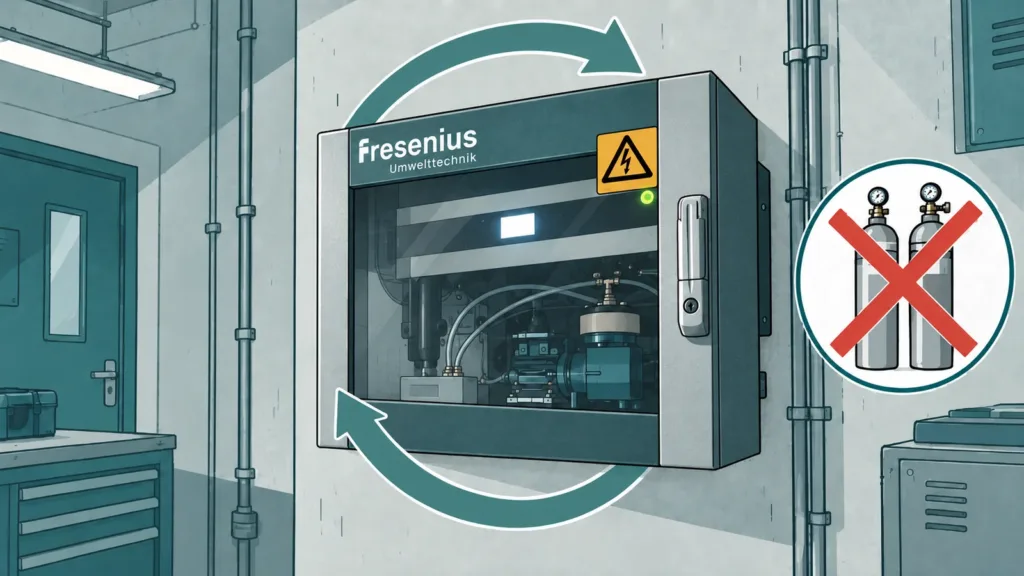
Zero-point correction without test gas
Our NDIR analyzers correct their zero point automatically. The method is patented and works without test gas. You save the procurement, the storage, the shelf-life checks and the replacement of cylinders. Dual-beam vacuum reference technology holds reading drift below 3 % per year as a rule. The binding figures stand in the datasheet of the instrument.
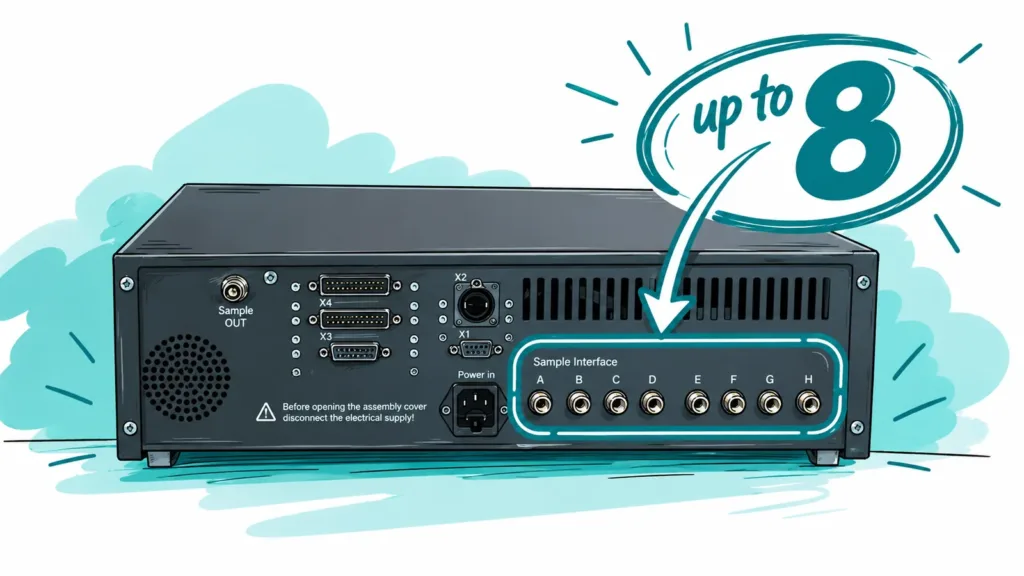
Eight sampling points, one analyzer
One instrument takes up to eight sample gas inlets. It switches through the connected sampling points under program control or on a cycle. Eight extraction points therefore run on a single analyzer. A single-gas instrument such as the GA210 uses these inlets too and measures its component at up to eight locations.
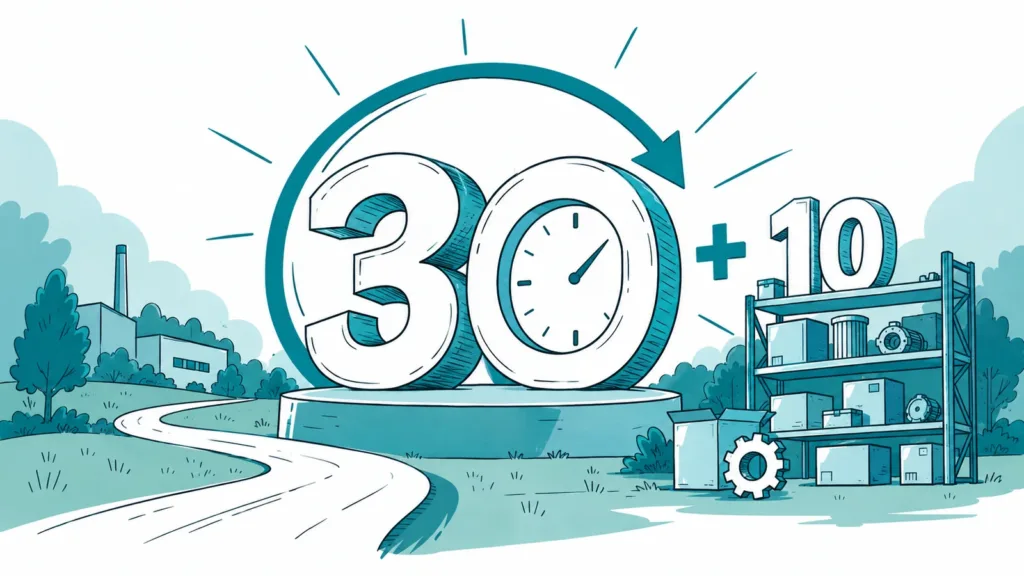
30+ years of service life, 10+ years of spare parts
A gas analyzer is an investment across decades. We develop and manufacture our instruments in Germany and design them for over 30 years of service life. We hold spare parts for more than 10 years.
Frequently asked questions
What is a gas analyzer?
A gas analyzer measures the composition of a gas mixture quantitatively — not just whether a gas is present but how much of it. Readings are output continuously and passed to the process control system.
What is the difference between a gas analyzer and a gas warning device?
A gas warning device monitors limit values and raises an alarm; it protects people and plant. A gas analyzer continuously measures concentration and delivers usable readings for process control, quality assurance and emission reporting. The two solve different tasks.
Which gas analyzer do I need for my application?
It comes down to four questions: how many components are measured at once, which measurement principle works for these gases, in which matrix the measurement is taken (hot, moist, corrosive), and whether it is stationary or mobile. Describe your measuring point — we will tell you which instrument fits, and also when none of ours does.
How many gases can a gas analyzer measure at once?
That depends on the sensor configuration. The GA210 is a single-gas analyzer, the GA320 measures up to six infrared-active gases, and the GA220 takes up to eight sample gas inlets — because several measurement principles can be combined in its housing.
Which measurement principles does the GA series use?
NDIR for infrared-active gases, paramagnetic measurement and zirconium oxide sensors for oxygen, TDLAS as a laser method for methane, thermal conductivity detection for binary mixtures, and electrochemical cells for components such as H₂S. We do not offer gas chromatography or FTIR.
How often does a gas analyzer need calibrating?
Fixed intervals with test gas are the norm. Our NDIR analyzers additionally perform a patented automatic zero-point correction without test gas, which removes the test gas supply from the maintenance plan. Dual-beam vacuum reference technology keeps reading drift typically below 3 % per year; the binding figures are in the datasheet.
Does a gas analyzer need sample gas conditioning?
With extractive measurement, almost always. Moist or particle-laden sample gas condenses in the analyzer, falsifies readings and damages components. A sample gas cooler of the RCI series lowers the dew point to 5 °C and residual moisture to 0.86 vol.-%.
Is there a portable gas analyzer?
Yes, the GA100 Portable is battery-powered and designed for mobile on-site measurements — ready to use immediately, without fixed installation.
Which analyzer suits biogas and biomethane?
For biogas plants, the BioBasic as a plug-and-play instrument for CH₄, CO₂, H₂S, O₂ and H₂. It carries flame arresters to protect the plant but is not ATEX-certified for hazardous zones. For feed-in monitoring of upgraded biomethane the BioBasic Biomethane, the GA220 Biomethane and the Biomethane TDLAS are available.
How long does a Fresenius Instruments gas analyzer last?
Our instruments are designed for over 30 years of service life and are developed and manufactured in Germany. We hold spare parts for 10+ years.
Not sure which device fits?
Tell us about your application — we will advise you holistically and solution-oriented.
