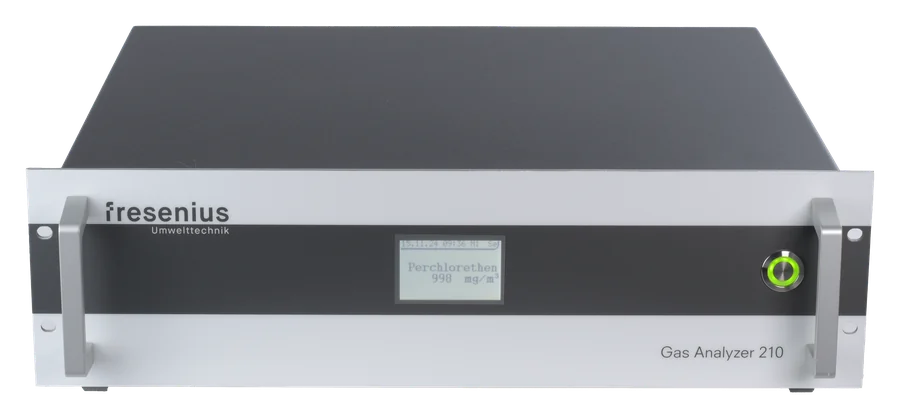


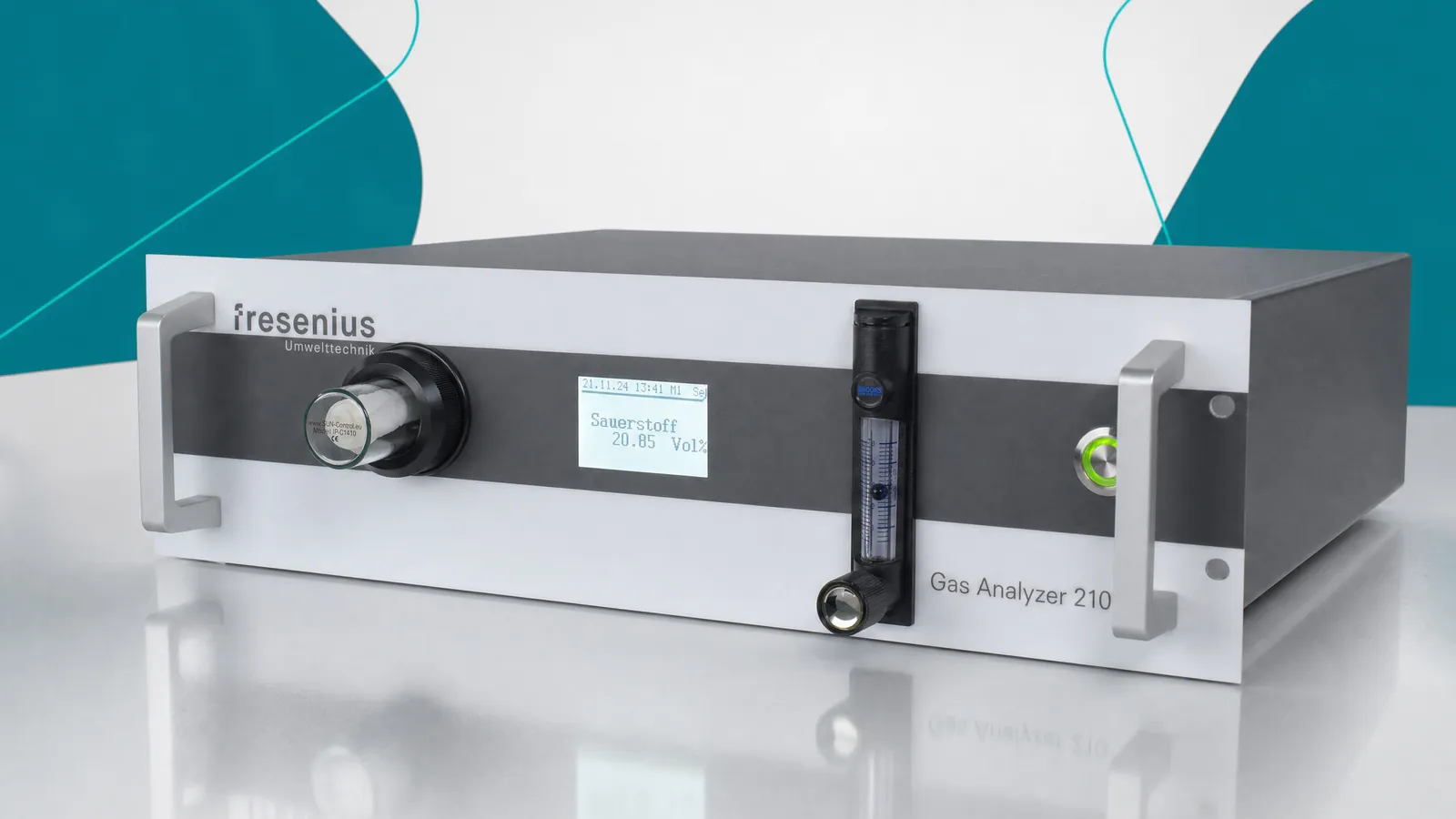
Oxygen analyzer GA 210 O₂ paramagnetic in a 19-inch housing, display showing oxygen 20.85 vol.%

Solutions · Inerting

Oxygen analyzer for inerting

Where solvents evaporate or flammable propellants are released, nitrogen displaces the oxygen. Only the measured oxygen value shows whether inerting holds. The GA 210 O₂ paramagnetic measures it every second – extractively, outside the Ex zone.

Inerting means that an inert gas, usually nitrogen, displaces the oxygen from a vessel or machine so that no ignitable mixture can form. It is designed around the limiting oxygen concentration of the substance system, with a safety margin. An oxygen analyzer continuously checks that the value stays below it.

  • 1 sto the next reading, response time below 10 s
  • 6measuring points with one device
  • O₂paramagnetic – even with CFCs, silicones and pure nitrogen

How it works

Only as much nitrogen as needed – oxygen always in view

This is how you use the GA 210 O₂ paramagnetic on an inerted vessel – whether reactor, centrifuge, decanter or dryer.

  1. The task

    Solvent vapour and air form an ignitable mixture. Nitrogen displaces the oxygen. What matters is that the oxygen stays below the limiting oxygen concentration of your substance system, with a safety margin.

  2. The solution

    A pump draws the gas from the gas space through a flame arrester and the sampling line. A gas cooler dries it. The GA 210 O₂ paramagnetic measures the oxygen outside the Ex zone and reports it to your control system.

  3. The result

    You use nitrogen only when it is needed and always know the real oxygen value. If it rises, your control system reacts at once: top up, alarm or lock the drive.

  • 1 sto the next reading
  • < ±0.1vol.% O₂ zero deviation per week
  • 6measuring points with one device

GA 210 O₂ paramagnetic 3.8 vol.% → in the target range, nitrogen off

Oxygen in a process vessel under nitrogen Oxygen in the vessel falls from 20.9 vol.% (air) into the target range while nitrogen is dosed. Then the valve stays closed; if the value rises, a short top-up follows. The GA 210 O₂ measures via a sampling line.
  1. 1 Measure The real O₂ value, every second.
  2. 2 Dose Nitrogen only when needed.
  3. 3 Hold Stay in the target range.

Schematic illustration. You set target range, safety margin and shutdown threshold from your explosion protection document.

Measuring points and solutions

Three industries – where you inert and how you measure the oxygen

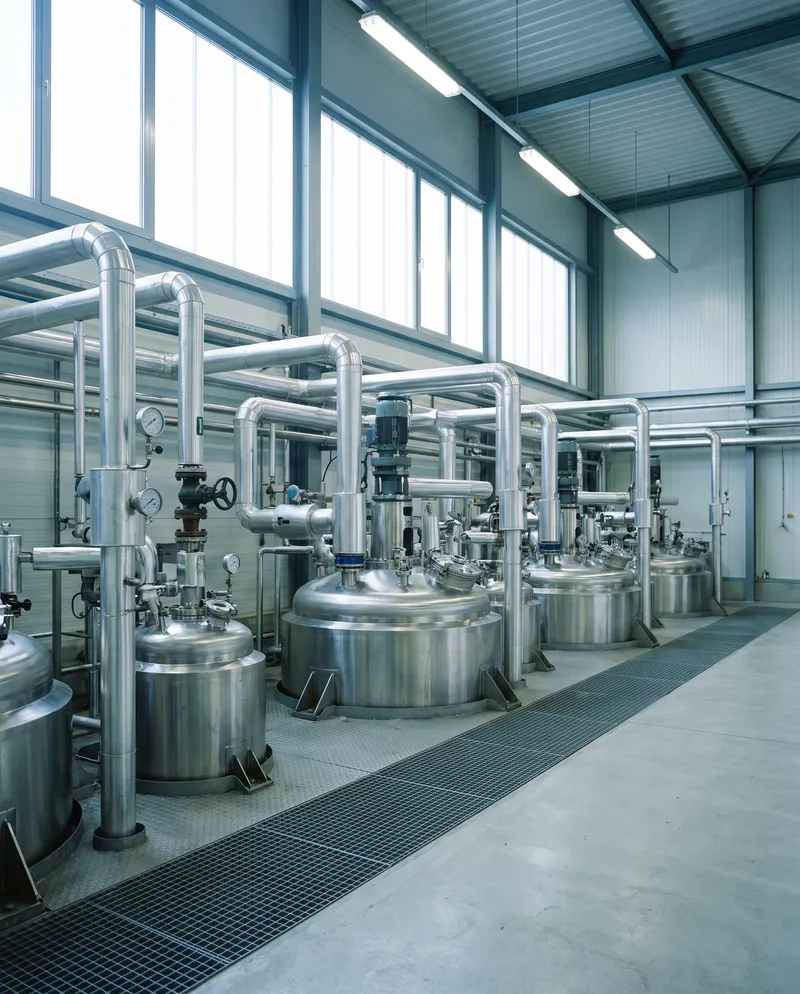
Production hall with stainless steel reactors and pipework

Industry 01

Pharma and chemicals: centrifuges, decanters, reactors, dryers

  • O₂Oxygen
  • N₂Nitrogen
  • LMSolvent vapour

Where solvents such as ethanol or methanol evaporate, the gas space is purged with nitrogen. Often the control system only releases the drive once the oxygen in the gas space is below the limit.

Solution: The GA 210 O₂ paramagnetic measures in the gas space of the machine, for example at the O₂ connection of the bowl cover – not in the feed line, because suspension flows there instead of gas. A gas cooler dries the sample gas first. For a release interlock, we design redundantly on request: two devices, two separate gas paths.

  • Measurement in the gas space, where ignitability arises
  • Gas cooler before measurement, RCI 700 with two gas paths for a redundant design
  • Potential-free contacts for alarm and release
  • Solenoid valves closed when de-energised: disconnected from the process on power failure
  • Zero gas: nitrogen 5.0 from the cylinder
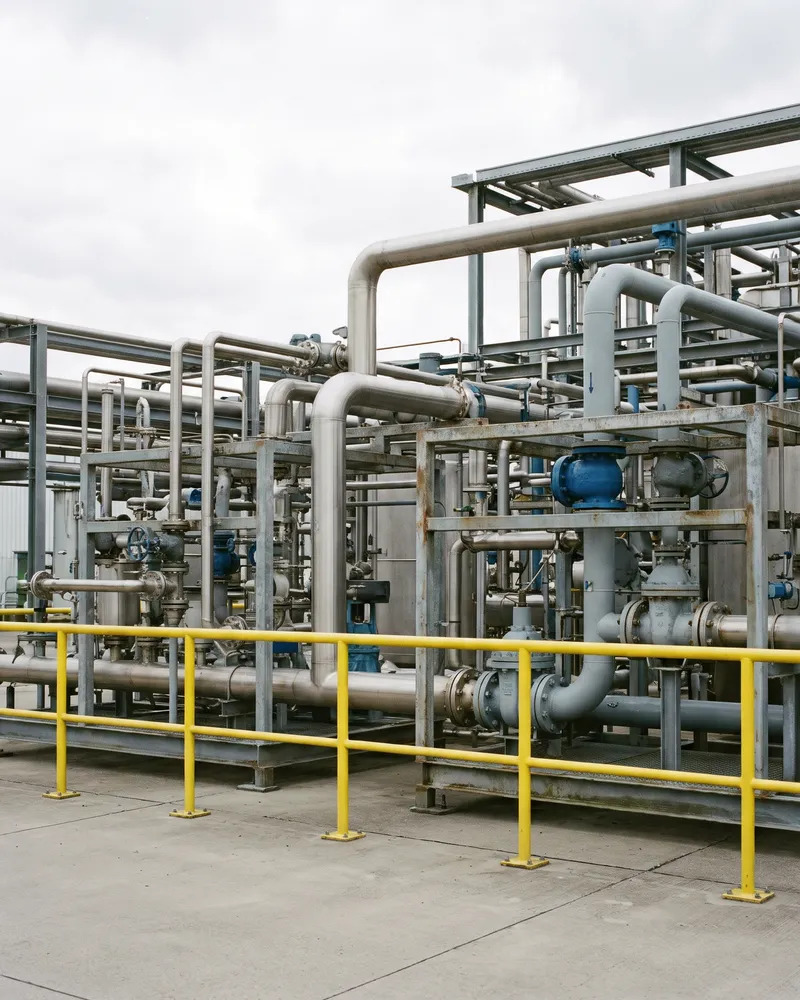
Process plant with pipework and railings

Industry 02

Solvent recovery: residual oxygen after nitrogen purging

  • O₂Oxygen
  • N₂Nitrogen
  • LMSolvent vapour

Before desorption, the plant is purged with nitrogen. Only when the residual oxygen is low enough does the process continue. The gas may contain traces of solvent vapour.

Solution: The GA 210 O₂ paramagnetic measures the residual oxygen in nitrogen. The 0–25 vol.% range stays; we tailor the calibration to your limit range. A sample gas cooler dries the humid gas. With the cooler in front, the influence of solvent vapour on the measurement is negligible.

  • Residual oxygen in nitrogen, a reading every second
  • Calibration tailored to your limit range
  • Sampling line up to about 40 m, pump in the device
  • 4–20 mA analogue outputs and fieldbus optional
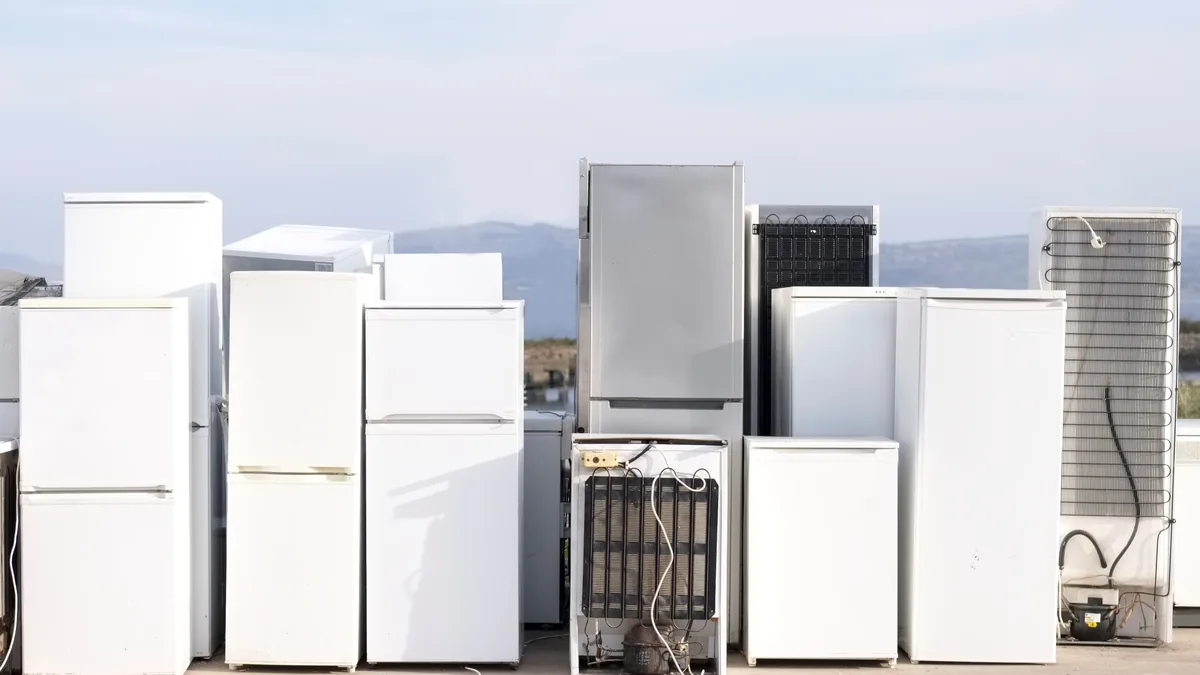
Discarded refrigerators lined up at a recycling yard

Industry 03

Recycling: shredding refrigerators and aerosol cans under nitrogen

  • O₂Oxygen
  • N₂Nitrogen
  • R11/R12Refrigerants (CFC)

Shredding releases flammable propellants and refrigerants. That is why the shredder runs under nitrogen. The UK Environment Agency sets out exactly this for aerosol cans: inerted operation, continuous O₂ monitoring and shutdown when oxygen is too high.

Solution: The GA 210 O₂ paramagnetic measures the oxygen in the shredder. It also works where zirconia sensors are ruled out: CFCs, sulphur compounds, silicones and pure nitrogen damage these sensors. Your control system doses nitrogen only as long as it is needed.

  • Paramagnetic – even with CFCs, silicones and pure nitrogen
  • Shutdown when oxygen is too high via the relay outputs
  • Gas cooler before measurement

Technical data

Paramagnetic or zirconia – which oxygen measurement suits inerting?

Feature GA 210 O₂ paramagnetic Smart O₂ (zirconia)
Measuring principle paramagnetic, cell without moving parts zirconia, heated cell
O₂ ranges 0–25, 0–50 or 0–100 vol.% 0–25, 0–50 or 0–100 vol.%
Reading every second, response time < 10 s every second
Stability zero < ±0.1 vol.% O₂ per week, drift < 0.5 vol.% O₂ per week ±0.5 % of full scale per year
Measuring points 1–6, plus 2 calibration inlets (N₂, O₂) 1–4
Design 19-inch rack, IP20, 12.8 kg compact housing, IP30, 4.7 kg
Signals relays ready/fault and 4 (up to 8), up to 8 × 4–20 mA, RS232; optional Profibus DP, Profinet, Modbus TCP, Ethernet IP relays ready/fault and 4 (up to 8), up to 8 × 4–20 mA, RS232; optional fieldbus
For inerting suitable – even with CFCs, silicones, sulphur compounds and pure nitrogen; sample gas dried not suitable with explosive mixtures, H₂, fluorocarbons, silicones or SOₓ in the sample gas

Extract, as of 28.10.2026. The datasheets of each product are authoritative.

Complete system

From sampling in the gas space to your control system

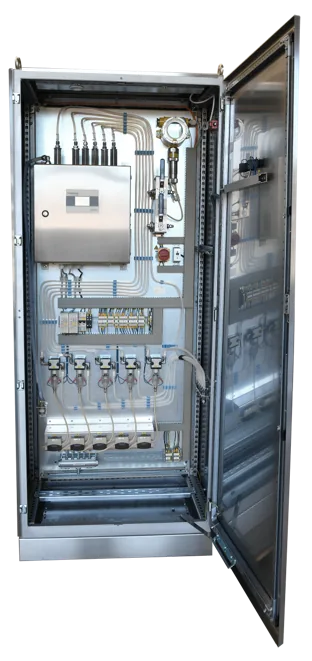
Open system cabinet with gas analysis, sample conditioning and controls
  • Outside the Ex zone

    The analyzer stands outside the zone. The sample gas arrives via a flame arrester and the sampling line, up to about 40 m.

  • Sample gas dried

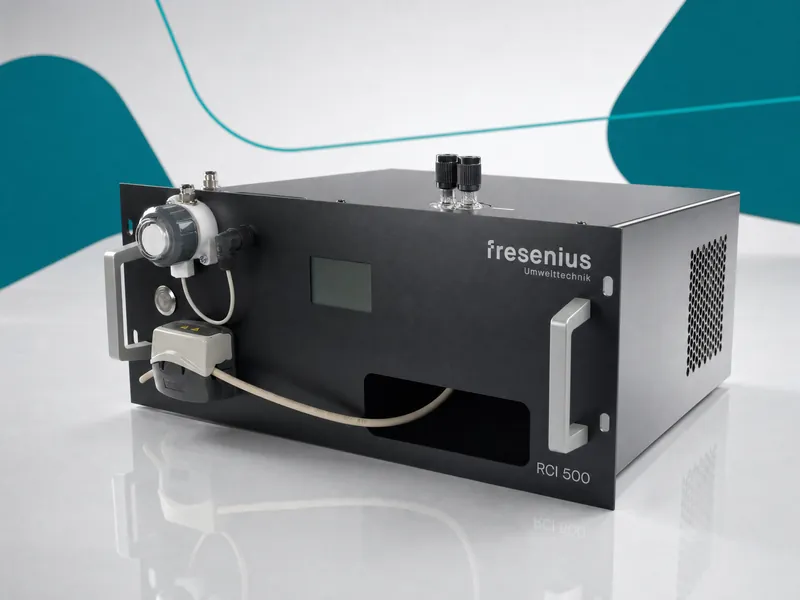
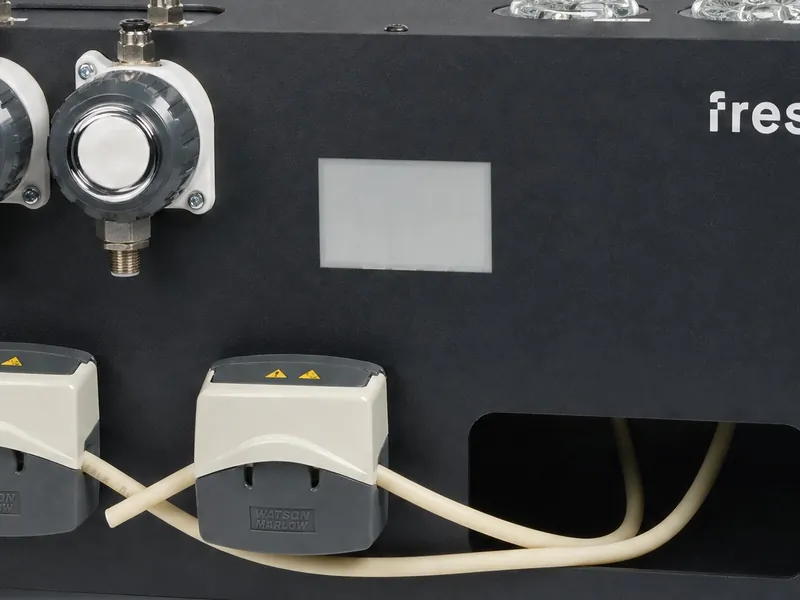
    A sample gas cooler such as the RCI 500 dries the gas before measurement. Paramagnetic measurement needs dew-point-free sample gas.

  • Alarm and release to your control system

    Via potential-free contacts, 4–20 mA or fieldbus. The solenoid valves are closed when de-energised.

  • Redundant where needed

    For a release interlock: two devices and two separate gas paths, ready-wired in one cabinet.

To our service

Advice

Tory – your advisor for inerting

Reactor, centrifuge, recovery or shredder? Tory asks for substance system, measuring point and limit in a few steps. Tory then takes you to the right solution or straight to a meeting with our team.

  • The right measuring point in the gas space
  • GA 210 O₂ paramagnetic with gas cooler
  • Direct path to a quote request

FAQ

Frequently asked questions on oxygen measurement for inerting

What is inerting?

An inert gas, usually nitrogen, displaces the oxygen from a vessel or machine. This prevents solvent vapour or flammable propellants from forming an ignitable mixture. The measured oxygen value shows whether inerting holds.

How is oxygen measured during inerting?

Extractively: a pump draws the gas from the gas space through a flame arrester and the sampling line, and a gas cooler dries it. The GA 210 O₂ paramagnetic measures the oxygen every second and reports it to your control system via relays, 4–20 mA or fieldbus.

Why paramagnetic and not zirconia?

A zirconia cell works hot. Flammable components in the sample gas react with the oxygen there, and CFCs, sulphur compounds, silicones and pure nitrogen damage it. Paramagnetic measurement has none of these limitations and no consumable sensors.

Where is the sample gas taken?

In the gas space of the machine or vessel, because that is where ignitability is decided. On centrifuges and decanters, this is for example the O₂ connection of the bowl cover. In a feed line carrying suspension, you measure the wrong substance at the wrong time.

May the oxygen analyzer stand in the Ex zone?

No, the GA 210 O₂ stands outside the zone. The sample gas is taken through a flame arrester and carried to the device via the sampling line, up to about 40 m.

Which oxygen limit applies?

That depends on your substance system. The limiting oxygen concentration with a safety margin, set in your explosion protection document, is decisive. We tailor the calibration to this range.

Does solvent vapour affect the oxygen measurement?

Solvent vapour affects paramagnetic measurement only slightly. The upstream gas cooler also limits the vapour, so the influence is negligible. If you change the solvent, let us know – we then check the calibration.

How is the oxygen analyzer calibrated?

Via two dedicated calibration inlets: zero gas is nitrogen from the cylinder, plus a test gas. The interval follows your plant inspection.

Good to know

  • The limit comes from your explosion protection document: inerting is designed around the limiting oxygen concentration of your substance system with a safety margin – not around the lower explosive limit.
  • Our oxygen analyzers are not SIL-certified. Where an interlock is required, we design redundantly. Whether that is sufficient for your plant, you clarify with your expert assessor.
  • Is your application a different one, such as storage or filling under nitrogen? Describe gas, pressure, humidity and accompanying substances in the information sheet. We check what fits.
  • Developed and built in Germany – process measurement technology from Fresenius Instruments in Herten.

Which vessel are you inerting?

Tell us about your measuring task – we design the process measurement technology with you.

Measuring What Matters

GAS ANALYZERS · MADE IN GERMANY · SINCE 1848